

Wilpattu

Weligama Taxi & Shuttles Number 01

Weligama Taxi & Shuttles Number 01

North Western Province Β· National Park

Sri Lanka's wildest jungle β€”
land of the leopard

Wilpattu is Sri Lanka's largest and most primeval national park β€” a vast 1,317 kmΒ² wilderness of dry-zone jungle, natural lake basins and ancient ruins that shelters the island's highest concentration of leopards, along with elephants, sloth bears, crocodiles and over 230 species of birds.

πŸ†

Leopard Density

Highest in Lanka

🌿

Park Area

1,317 kmΒ²

πŸ¦…

Bird Species

Over 230

πŸš™

From Colombo

180 km Β· 3.5 hrs

Sri Lanka's Largest & Most Untouched Wilderness
Wildlife SafariπŸ“ Wilpattu Jungle

Sri Lanka's Largest & Most Untouched Wilderness

01 / 04
β€œIn Wilpattu, the jungle closes in quickly and the silence becomes absolute. Then, if you are patient and very still, the forest reveals itself β€” a pair of amber eyes in the undergrowth, watching you back.”

Leopards

The Kingdom of the Leopard

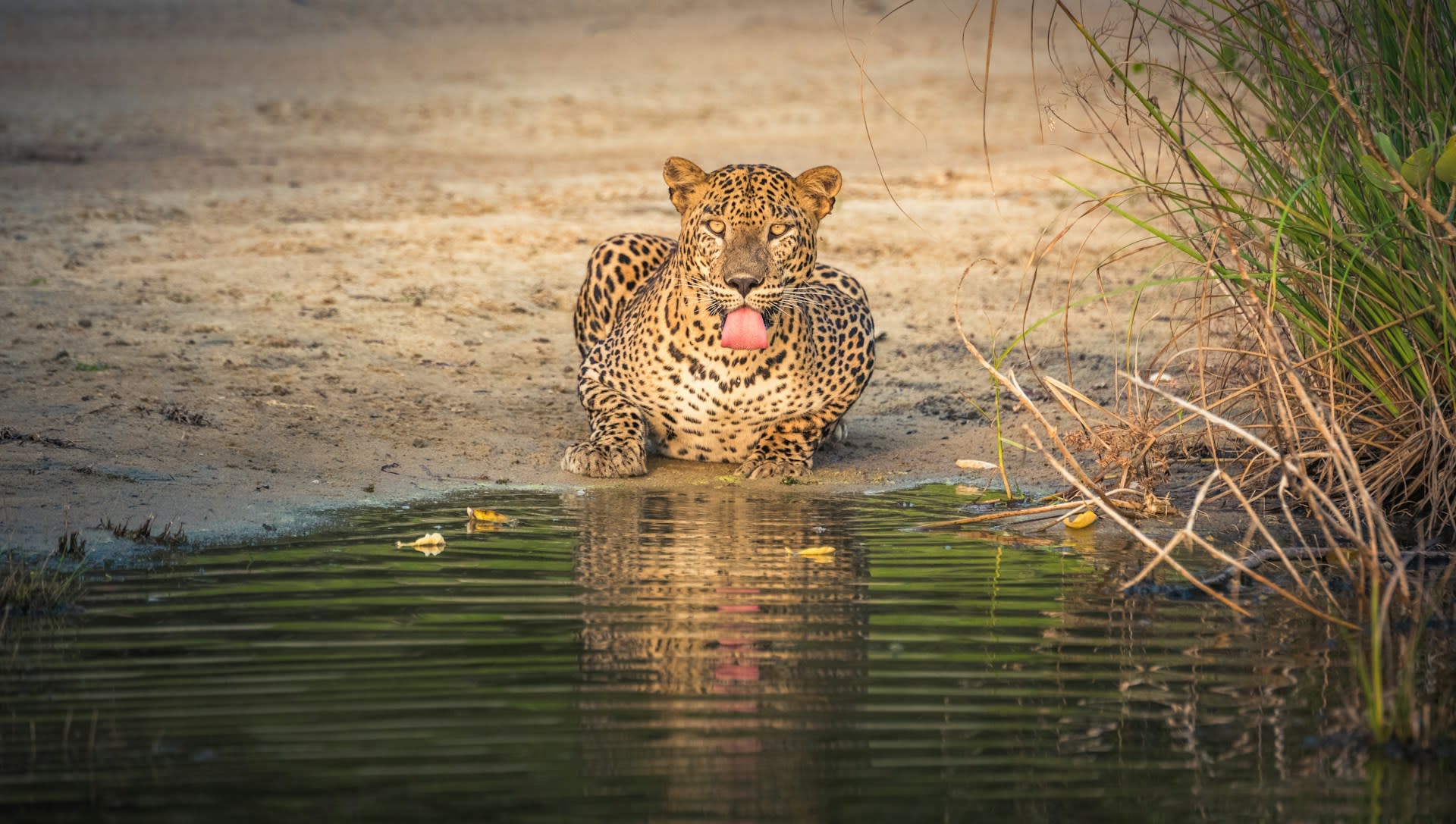
Wilpattu's reputation rests on one animal above all others: the Sri Lankan leopard. Found nowhere else on earth in this subspecies form, Panthera pardus kotiya reaches its greatest density within Wilpattu's boundaries β€” estimates suggest the park holds between 50 and 70 individuals across its 1,317 square kilometres. The park's distinctive ecology drives this abundance: the villus β€” shallow, saucer-shaped natural lakes fed by rainwater β€” attract spotted deer, sambar, wild boar and water buffalo in large numbers, and where prey concentrates, leopards follow. Unlike the leopards of Africa, Wilpattu's cats have adapted to a forest-hunting lifestyle, and encounters often come unexpectedly β€” a flash of rosettes in the undergrowth, a tail dropping from a branch, or a pair of amber eyes catching your headlamp before dawn. Experienced guides know the territorial ranges of individual cats and can dramatically increase the likelihood of a meaningful sighting.

Leopard in Wilpattu National Park
Ecosystem

Villus β€” The Jewels of Wilpattu

The defining geographical feature of Wilpattu is its villus β€” a word derived from the Sinhala for 'lake' that describes the park's unique series of natural, rain-fed basins scattered across the forest floor. Unlike the man-made tanks of neighbouring Anuradhapura, the villus are entirely natural formations, filling during the northeast monsoon and gradually shrinking through the dry season, concentrating wildlife around their margins in increasingly dramatic fashion. Kokmotte Villu, Maradanmaduwa Villu and Kali Villu are among the largest and most productive β€” at dawn, their banks teem with painted storks standing motionless in the shallows, crocodiles basking on the grass margins, and deer picking their way to the water through dew-heavy vegetation. The villus also preserve an extraordinary botanical diversity, their edges ringed with water hyacinth, lotus, sedges and reeds that support an insect life feeding the park's remarkable bird population.

Willu lake in Wilpattu with birds
Wildlife

Sloth Bears, Elephants & the Ancient Landscape

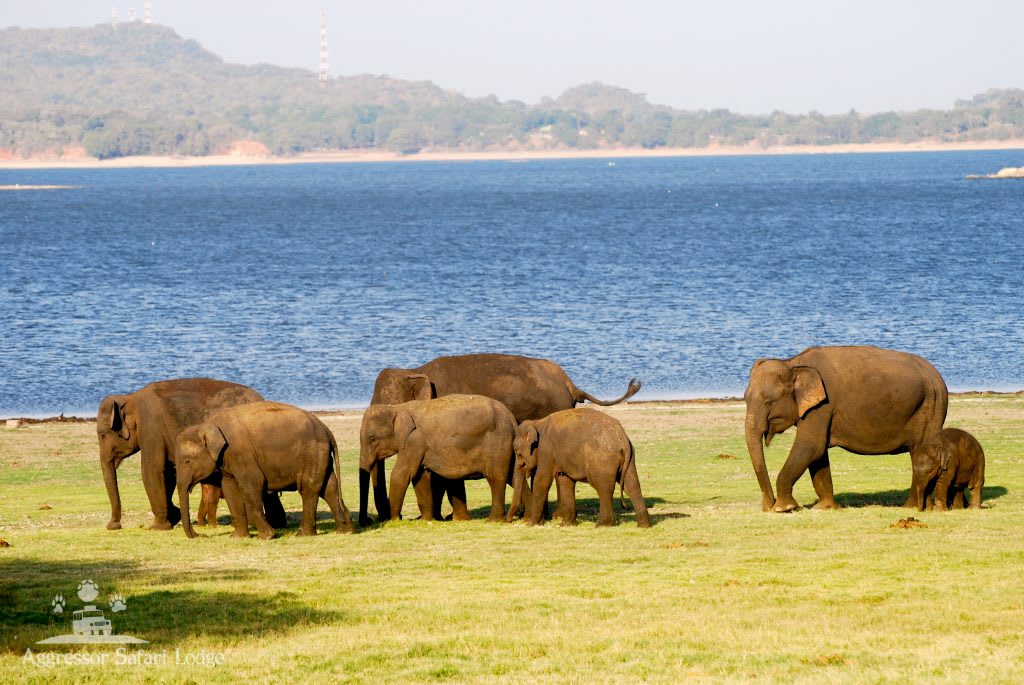
Beyond its leopards, Wilpattu holds some of Sri Lanka's most impressive large mammal populations. The Sri Lankan sloth bear β€” a shaggy, insect-eating relative of the Asian black bear β€” is uncommonly visible here, particularly in the early mornings around fruiting trees and termite mounds. Wild elephant herds move through the park along ancient migratory routes, often emerging from the forest at dusk to drink and bathe at the larger villus. Water buffalo, spotted deer, sambar, golden jackals, fishing cats, ruddy mongooses and the elusive Ceylon leopard cat round out a mammal list that rivals any park in South Asia. Woven through this wilderness is a layer of human history: the park contains the legendary site of Kuveni's landing, associated with the founding myth of the Sinhalese people, as well as the ruins of several ancient Buddhist monasteries and the traces of the ancient Anuradhapura civilisation's hydraulic works. Wilpattu is simultaneously a wildlife sanctuary, a living ecosystem and an open-air museum of Lanka's earliest history.

Elephant herd in Wilpattu forest

Safari Guide

Everything you need to know

πŸŒ…

Best Safari Time

Dawn game drives (departing 5:30–6:00 AM) offer the best leopard, bear and elephant sightings. The park opens at 6:00 AM β€” arrive early at the gate. Evening drives (3:00–6:00 PM) are excellent for birds and deer.

πŸ“…

Best Season

February to October is optimal β€” the dry season concentrates wildlife around the villus. The park briefly closes during the height of the northeast monsoon (September–October in some years). Check park status before visiting.

πŸš™

Safari Logistics

All visitors must enter with a licensed jeep and tracker. Book through your accommodation or a reputable Wilpattu safari operator. A full-day safari covers more ground than a half-day and dramatically increases sighting opportunities.

πŸ•οΈ

Where to Stay

Eco-lodges and safari camps line the road between Puttalam and the park entrance. Staying close to the gate allows multiple game drives across one visit. Advance booking is essential February–April when occupancy peaks.

🦟

What to Bring

Wear neutral colours β€” khaki, olive, beige. Bring strong insect repellent, sunscreen, a hat and binoculars. A telephoto lens of at least 300mm is recommended for wildlife photography. Carry your own water and snacks.

πŸ†

Leopard Tips

Patience is everything. Ask your tracker which villus have had recent leopard activity. Kokmotte and Maradanmaduwa are historically productive. Dawn and the golden hour before sunset are peak activity windows.

Location

Find Wilpattu

πŸ“

Wilpattu National Park

North Western Province, Sri Lanka Β· Sri Lanka's Largest National Park

πŸ† Leopards🐘 ElephantsπŸ¦… Birds

From Colombo

180 km Β· ~3.5 hrs

Park Area

1,317 kmΒ²

GPS Coordinates

8.4499Β° N, 80.0367Β° E

Ready to enter the wild?

Let us transfer you from anywhere in Sri Lanka straight to Wilpattu's gate β€” comfortable, reliable and always on time.