

Trincomalee

Weligama Taxi & Shuttles Number 01

Weligama Taxi & Shuttles Number 01

Eastern Province · North-East Coast

Blue whales, white beaches
and the world's finest harbour

Trincomalee is Sri Lanka's great northern east coast city — a town of extraordinary natural gifts combining one of the world's finest deep-water harbours, Nilaveli's white sand and Pigeon Island's reef, blue whale watching from February to April, and the ancient Koneswaram temple perched on a sea cliff 120 metres above the Indian Ocean.

🐋

Blue Whales

Feb – April

🌡️

Avg. Temperature

27 – 33 °C

🏖️

Best Beaches

Nilaveli & Uppuveli

✈️

From Colombo

260 km · 5 hrs

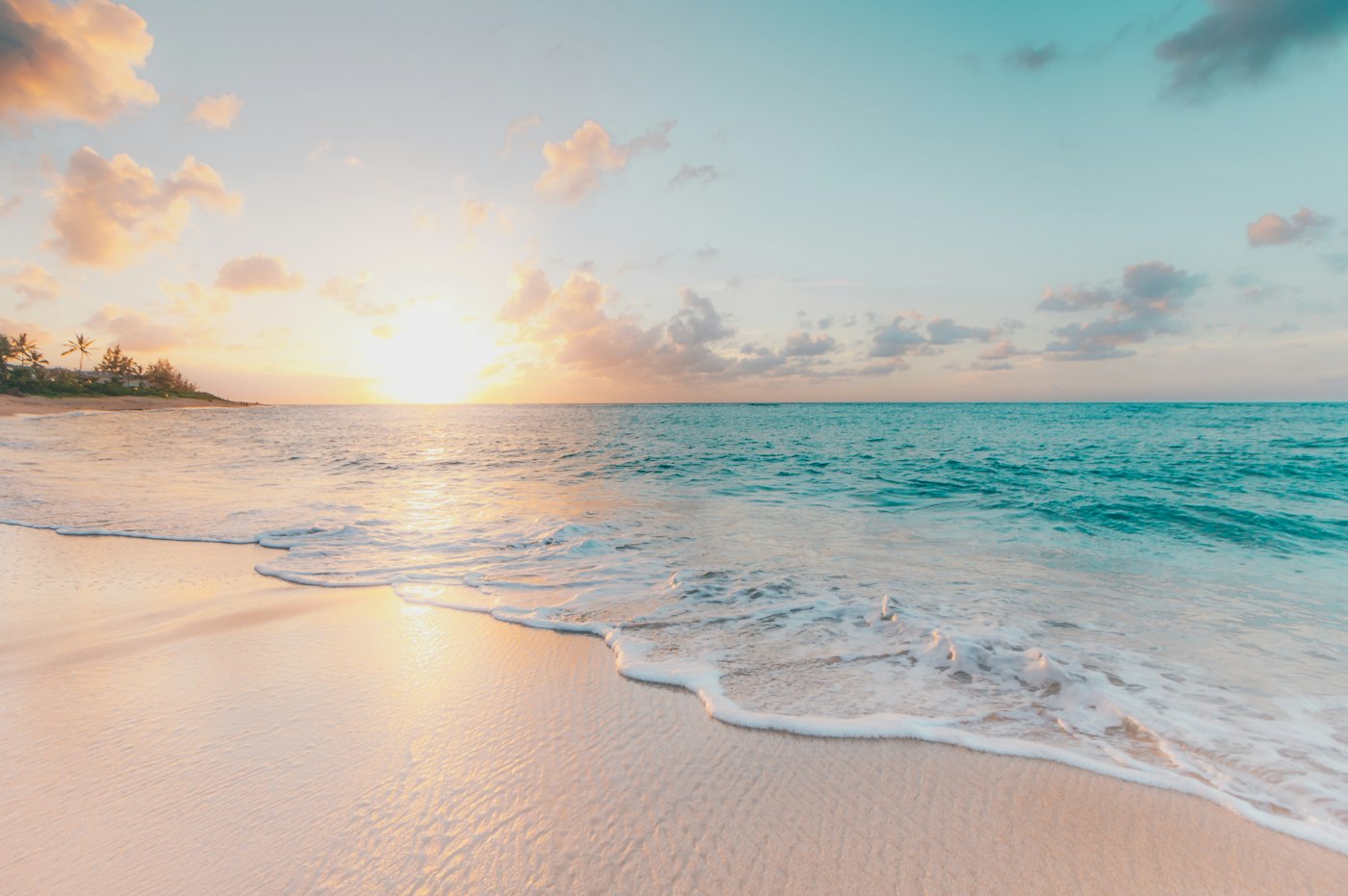
One of the Finest Beaches in All of Asia
East Coast Paradise📍 Nilaveli Beach

One of the Finest Beaches in All of Asia

01 / 04
“Standing at the edge of Swami Rock with the temple bells behind you and 120 metres of vertical cliff dropping to the turquoise water below, you understand why every naval power in the Indian Ocean wanted this harbour — and why those who had it were reluctant to give it up.”

Beaches & Reef

Nilaveli, Pigeon Island & the East Coast at Its Finest

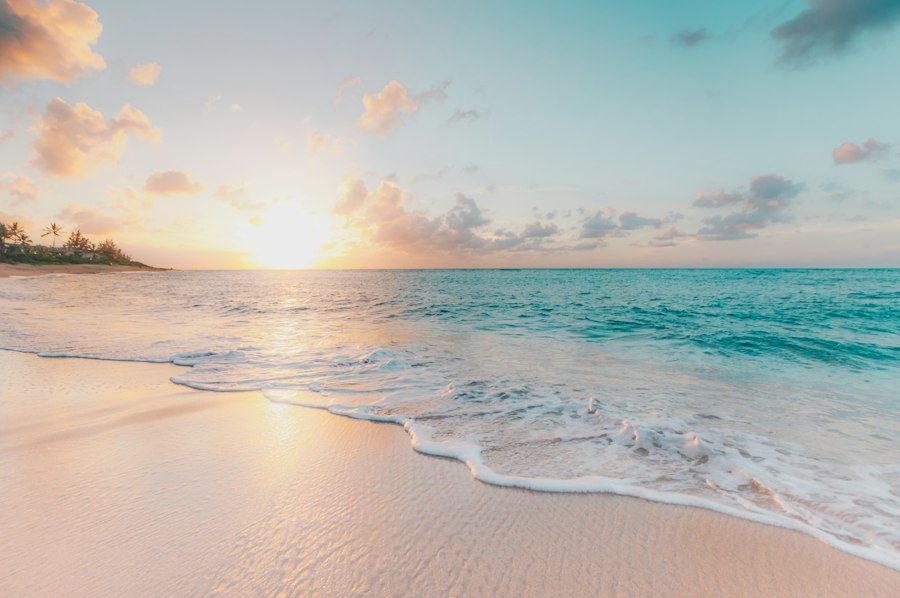
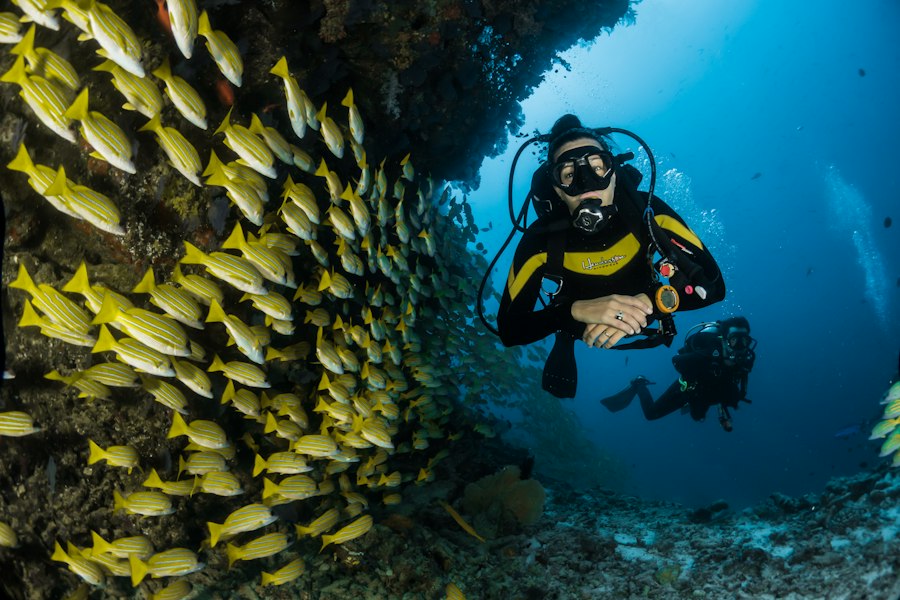
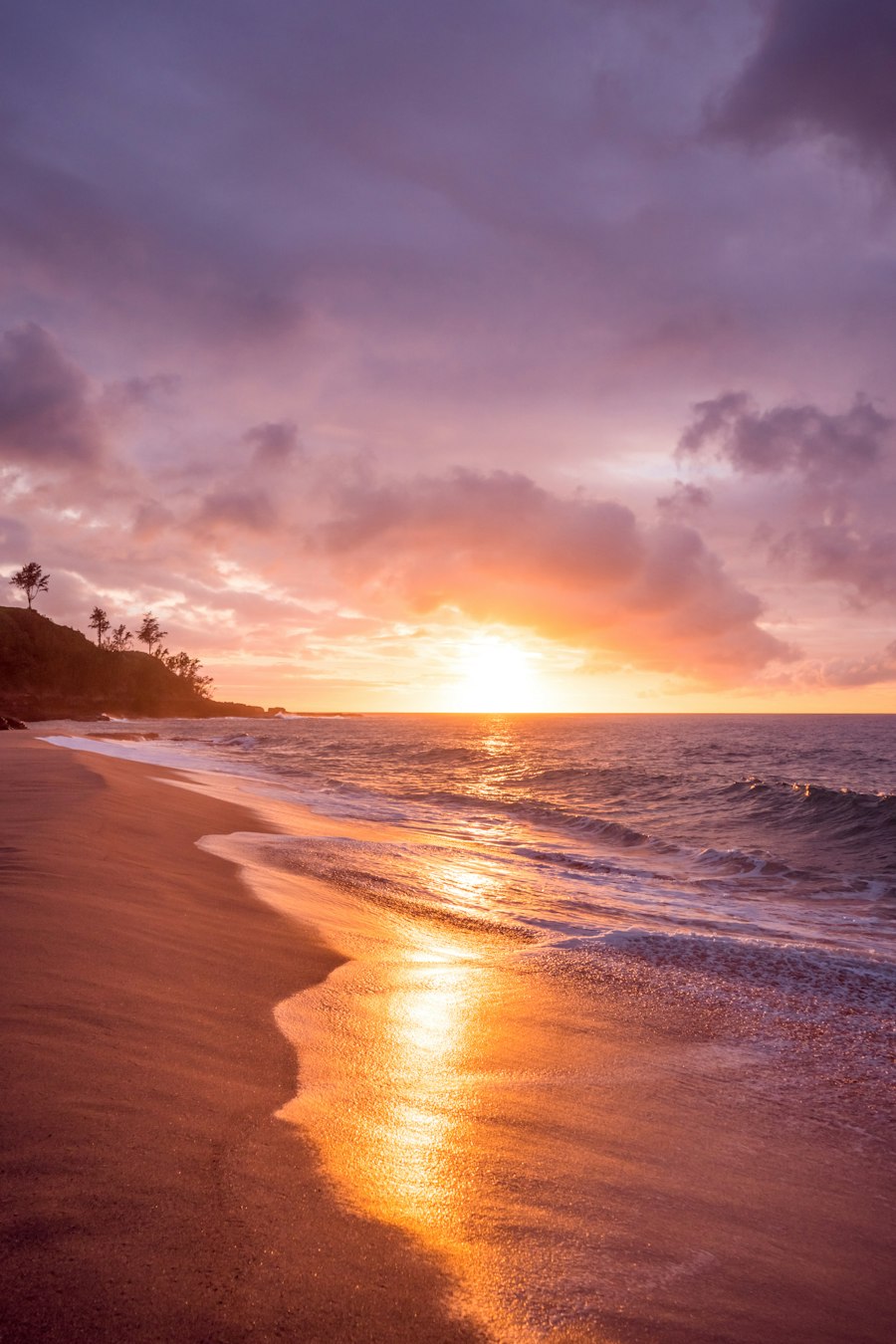
Nilaveli beach is one of Sri Lanka's great natural gifts — a fifteen-kilometre drive north of Trincomalee along a road that passes through coastal scrubland and small fishing villages, arriving at a beach of such extraordinary beauty and emptiness that it consistently surprises even visitors who have been told to expect something special. The sand is fine, white and clean, the water is turquoise close to shore and deepens through every shade of blue toward the horizon, and the coconut palms that back the beach are tall and unhurried in a way that speaks of decades without significant disturbance. Two kilometres offshore, Pigeon Island rises above the reef in a blaze of white rock and vegetation — a small island that gives its name to the national marine park that surrounds it and protects one of the finest coral reef systems on the east coast. Snorkelling and diving trips from Nilaveli beach reach the island in fifteen minutes by boat and enter a world of remarkable diversity: blacktip reef sharks in the shallow areas, green and hawksbill turtles on the reef, hard corals of many varieties including impressive table and brain coral formations, and the dense fish populations that these structures support. The marine park was closed for several years during and immediately after the civil conflict, and the reef's relative isolation during that period produced a recovery that makes Pigeon Island's corals among the healthiest on the island.

Nilaveli beach and Pigeon Island Trincomalee
Whales & Dolphins

Blue Whales, Dolphins & the Deep-Water Bay

Trincomalee's deep natural harbour and the steep-sided submarine canyon that runs close to the coast create the same conditions that make Mirissa famous for blue whale sightings on the south coast — and between February and April, the waters off Trincomalee offer some of the most reliable blue whale encounters in Asia. The deep-water upwelling that feeds the canyon creates dense krill concentrations that attract blue whales, sperm whales and Bryde's whales to the surface in numbers that rival the southern coast season. Daily whale-watching boat trips depart from Trincomalee harbour before dawn, heading into the open ocean east of the bay where the continental shelf drops away. The trips also produce reliable encounters with large pods of spinner dolphins and bottlenose dolphins, and occasional sightings of whale sharks during the appropriate season. The combination of whales, dolphins and the extraordinary setting of the harbour — with Fort Frederick and Swami Rock visible on the headlands as the boat leaves — makes the Trincomalee whale-watching experience among the most scenic as well as productive on the island.

Whale watching and dolphin sighting Trincomalee bay
Heritage

Fort Frederick, Koneswaram & the History of the Harbour

Trincomalee's history is written in its fortifications and its temples. Fort Frederick, built by the Portuguese in 1624 and subsequently captured and reinforced by the Dutch and British, stands on the rocky headland at the harbour entrance — an active military installation that also contains the remarkable Koneswaram Kovil, one of the most important Hindu temples in Sri Lanka, built on the very tip of Swami Rock at a point where the cliff drops 120 metres straight to the sea. The temple's origins are ancient — it was destroyed by the Portuguese in 1624 and the original idol thrown into the sea — but the rebuilt shrine, with its colourful gopuram towers and the dramatic coastal setting, is one of the most atmospheric religious sites in the country. The view from the cliff edge, looking down the vertical rock face to the turquoise water below and out over the vastness of the bay, is one of the finest in Sri Lanka. The town of Trincomalee itself is a fascinating multi-ethnic mix — Tamil, Sinhalese, Muslim and Burgher communities living alongside a significant naval and military presence, the legacy of a harbour that every colonising power in the Indian Ocean regarded as strategically indispensable. The local fish market, the mosques and kovils visible from the harbour road, and the small Dutch memorial near the fort all speak of a town whose layers of history are still visible in the streetscape.

Koneswaram temple Fort Frederick Trincomalee harbour

Traveller's Notes

Everything you need to know

🐋

Blue Whale Season

February to April is peak whale-watching season from Trincomalee. Boats depart the harbour at dawn — book the previous evening through your hotel. Blue whale encounters are highly reliable during this window. Sperm whales are sighted year-round in the deep canyon waters.

🤿

Pigeon Island Reef

Boat trips to Pigeon Island National Park depart from Nilaveli beach (LKR 1,500–2,500 per person return). Snorkelling gear is available on the boat. Go in the morning before wind chop affects visibility. Blacktip reef sharks are almost always present in the shallow sections — they are harmless and magnificent.

🏖️

Nilaveli vs Uppuveli

Nilaveli (15 km north) is the finer beach — wilder, emptier and more beautiful, with Pigeon Island directly offshore. Uppuveli (5 km north) is more convenient for town access, restaurants and whale-watching boats. Stay at Nilaveli for the beach experience; use Uppuveli as a town base.

🕌

Koneswaram Temple

The Koneswaram Kovil on Swami Rock is open to respectful visitors. Dress modestly and remove shoes at the entrance. The cliff-edge view from the temple platform is extraordinary — stand at the railing and look straight down 120 metres to the sea. Go in the early morning before the heat builds.

🍛

Where to Eat

Uppuveli beach road has the best concentration of restaurants — Chaaya Blu hotel and the small seafood restaurants between Uppuveli and town serve excellent east coast cuisine. The fish market in Trincomalee town supplies the freshest catch. Jaffna-style crab curry is available from several restaurants and is not to be missed.

🏨

Where to Stay

Nilaveli Beach Hotel is the classic choice at Nilaveli. Uppuveli has a wider range of budget to mid-range guesthouses convenient for town. Booking 6–8 weeks ahead is essential for the February–April whale season and June–August beach season. The east coast best season is May–September when the west coast rains.

Location

Find Trincomalee

📍

Trincomalee

Eastern Province, Sri Lanka · World-Class Natural Harbour

🐋 Whales🏖️ Nilaveli🤿 Pigeon Island

From Colombo

260 km · ~5 hrs

To Nilaveli

15 km · 20 min

GPS Coordinates

8.5922° N, 81.2152° E

Ready to discover the great harbour?

Let us transfer you from anywhere in Sri Lanka to Trincomalee's magnificent harbour town — comfortable, reliable and always on time.