

Tangalle

Weligama Taxi & Shuttles Number 01

Weligama Taxi & Shuttles Number 01

Southern Province Β· Far South Coast

Wild beaches, ancient fort
and a lagoon at the end of the road

Tangalle is the south coast beyond the surf camps and beach bars β€” a town of dramatic headlands, a vast bird-rich lagoon, empty turtle-nesting beaches and the frontier feel of a place that still belongs more to the Indian Ocean than to the tourist trail. East of here, Sri Lanka gets genuinely wild.

πŸ–οΈ

Beach Type

Wild & Unspoilt

🌑️

Avg. Temperature

27 – 32 Β°C

🐒

Turtle Nesting

Nov – April

✈️

From Colombo

195 km Β· 3.5 hrs

The South Coast Where the Crowds Didn't Follow
Wild SouthπŸ“ Tangalle Beach

The South Coast Where the Crowds Didn't Follow

01 / 04
β€œAt Medaketiya you can walk for forty minutes and not meet another person. The beach is that long, the sky is that wide, and the feeling is one that the more famous beaches to the west have spent years trying to recapture without success.”

Beaches

The Beaches β€” Wild, Varied & Unhurried

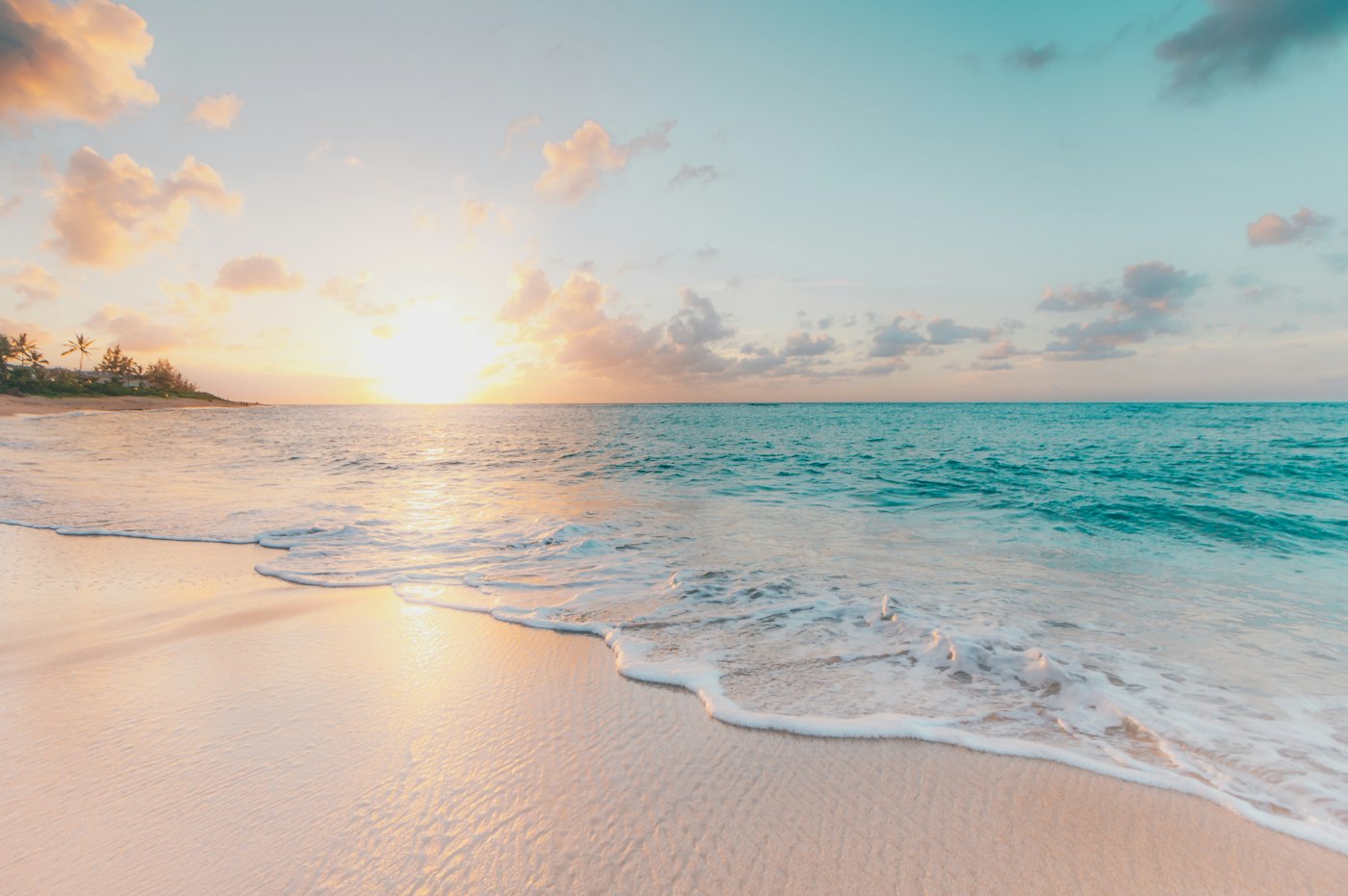
Tangalle's greatest asset is the variety and quality of its beaches, and the fact that almost none of them have been significantly developed. Tangalle town beach itself, curving around the protected harbour below the Dutch fort, is the most sheltered β€” good for swimming and the most active with fishing boats and local life. East of the headland, Medaketiya beach begins β€” a long, open arc of dark sand backed by low scrub and coconut palms that stretches for four kilometres with almost no buildings behind it. Medaketiya is one of the finest empty beaches on the south coast, a place for long solitary walks, sea turtle tracks in the morning sand, and the sense of being on a coast that still belongs primarily to the sea. Further east, Rekawa beach is one of the most important green turtle nesting sites in Sri Lanka β€” the Rekawa Turtle Conservation Project monitors nests here nightly during the season, and guided night visits to watch nesting females are available through the project. Beyond Rekawa, the coast toward Bundala National Park becomes increasingly wild, the beaches backed by sand dunes and coastal scrubland that shelter migrating birds and the occasional leopard following the coast road at night.

Wild beaches at Tangalle southern Sri Lanka
Town & Heritage

The Lagoon, the Fort & the Town

Tangalle's geography is more complex and interesting than most south coast towns β€” it is not simply a beach strip but a place shaped by the convergence of a broad lagoon, a natural harbour, a rocky headland and the remnants of Dutch colonial infrastructure. The lagoon, which stretches inland from the western side of the headland, supports a substantial fishing industry and one of the finest bird-watching environments on the south coast: painted storks, purple herons, lesser adjutants, spoonbills and a remarkable diversity of terns, gulls and wading birds use the lagoon's shallow margins and mangrove edges throughout the year. The Dutch fort above the harbour β€” built in the 1640s as part of the Dutch East India Company's coastal fortification programme β€” retains its outer walls and provides the finest elevated view in town, looking simultaneously over the harbour to the south, the lagoon to the west, and the open ocean to the east. The town itself is a genuine working fishing community β€” the harbour is one of the most active on the south coast, the fish market operates daily from early morning, and the streets behind the waterfront have the unhurried, practical character of a town that has not yet been reshaped by resort tourism to anything like the degree of its neighbours to the west.

Tangalle lagoon and Dutch fort panorama
Wildlife

Rekawa Turtles, Bundala & the Far East

Tangalle's hinterland and the coast stretching east rewards those who venture beyond the town. Rekawa beach, 12 kilometres east, is a green turtle nesting site of international significance β€” the beach supports one of the largest nesting populations of green turtles in Sri Lanka, and the Rekawa Turtle Conservation Project runs guided night walks during nesting season (November to April) that allow visitors to watch nesting females come ashore, excavate their nests and lay their eggs under close supervision without disturbing the process. Bundala National Park, a further 20 kilometres east, is a UNESCO World Biosphere Reserve and one of the finest bird-watching destinations in Sri Lanka β€” a mosaic of lagoons, salt pans and dry-zone scrubland that provides critical winter habitat for over 150 migratory bird species arriving from Central Asia and the Indian subcontinent. Lesser flamingos gather at the salt pans in spectacular numbers, and the park also shelters elephants, crocodiles, water buffalo and the occasional leopard. Combining Tangalle's beaches with a Rekawa turtle night visit and a Bundala morning safari provides one of the most wildlife-rich two-day experiences available anywhere on the south coast.

Rekawa turtle beach and Bundala wildlife near Tangalle

Traveller's Notes

Everything you need to know

🐒

Rekawa Turtles

Book a guided night visit to Rekawa beach (12 km east) through the Rekawa Turtle Conservation Project. Season is November to April; peak months are December to February. Visits begin after 8 PM and guides accompany you to watching nesting females. No photography with flash permitted.

🦩

Bundala National Park

Bundala (32 km east) is best visited on a morning game drive departing at 6:00 AM. Lesser flamingos are present November to March at the salt pans. The park also offers good elephant and crocodile sightings. Book a jeep through your accommodation the evening before.

πŸ–οΈ

Beach Choices

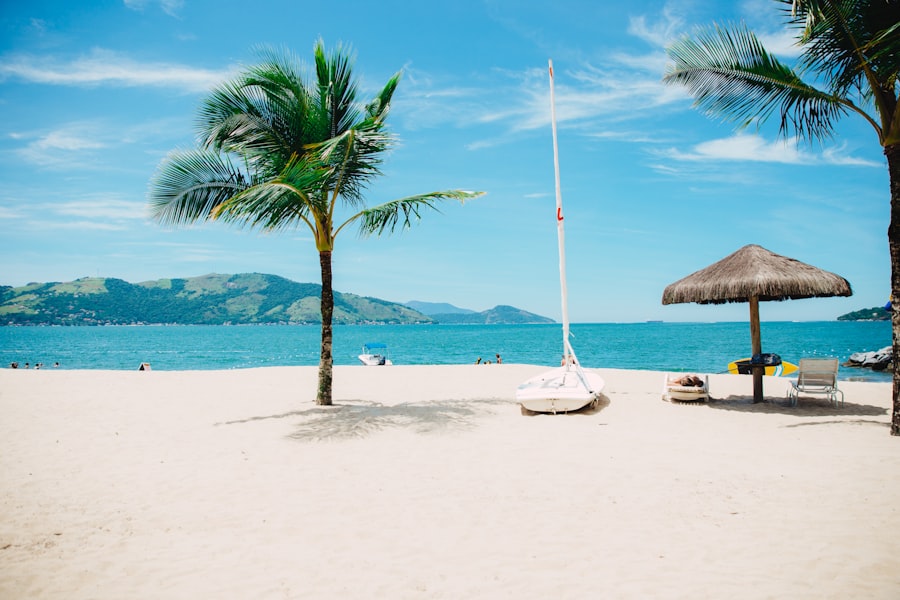
Tangalle town beach is sheltered for swimming. Medaketiya (east of town) is the finest long empty beach. Goyambokka (west, at the resort end) is calmer and better developed. Swimming at Medaketiya requires caution β€” currents can be strong, especially on the western end.

β›΅

Lagoon Boat Trip

Arrange a dawn lagoon trip through your guesthouse for the finest bird-watching. The painted storks are most active in the early morning. A 1.5-hour trip costs around LKR 2,000–3,500. The inner mangrove channels are quieter and more productive for wildlife than the main lagoon.

πŸ›

Where to Eat

Tangalle's fish market supplies the town's restaurants with a fresh catch daily β€” the fried fish and prawn curry at the small restaurants near the harbour are excellent and inexpensive. Goyambokka beach has slightly more developed dining options. Refresh regularly by ordering fresh king coconut.

🏨

Where to Stay

Boutique guesthouses and small eco-lodges line the road between Tangalle town and Medaketiya beach. Goyambokka to the west has the largest resort hotels (Amanwella, Anantara Peace Haven). For the wild beach experience, stay east of the town near Medaketiya and book ahead for December–February.

Location

Find Tangalle

πŸ“

Tangalle

Southern Province, Sri Lanka Β· Far South Wild Coast

πŸ–οΈ Wild Beach🐒 Rekawa🦩 Bundala

From Colombo

195 km Β· ~3.5 hrs

To Rekawa

12 km Β· 20 min

GPS Coordinates

6.0231Β° N, 80.7979Β° E

Ready for the wild south?

Let us transfer you from anywhere in Sri Lanka to Tangalle's wild southern shore β€” comfortable, reliable and always on time.