

Kosgoda

Weligama Taxi & Shuttles Number 01

Weligama Taxi & Shuttles Number 01

Western Province Β· Conservation Coast

The beach where five turtle
species come home to nest

Kosgoda is Sri Lanka's most important sea turtle conservation site β€” a quiet west coast village where five of the world's seven turtle species nest, where the Kosgoda Hatchery has protected nests for four decades, and where the Madu River estuary next door is one of the finest mangrove ecosystems in all of South Asia.

🐒

Sea Turtles

5 Nesting Species

🌑️

Avg. Temperature

27 – 32 Β°C

🌊

Nesting Season

Nov – April

✈️

From Colombo

72 km Β· 1.5 hrs

Where Sea Turtles Come Home to Nest
Turtle HatcheryπŸ“ Kosgoda Beach

Where Sea Turtles Come Home to Nest

01 / 04
β€œAt dawn, when the hatchlings are released, they move toward the water with a certainty that is both heartbreaking and hopeful β€” as if something in the coin-sized body already knows exactly where it is going and has always known.”

Turtles

Sea Turtles β€” Five Species & Four Decades of Protection

Kosgoda's significance in Sri Lankan conservation is exceptional: five of the world's seven sea turtle species nest on this beach β€” the green turtle, the loggerhead, the hawksbill, the leatherback and the olive ridley β€” making it one of the few beaches on earth where this degree of species diversity is recorded in a single location. The Kosgoda Sea Turtle Conservation Project, established in the early 1980s, operates the hatchery that has become the model for turtle conservation across Sri Lanka. During nesting season, staff patrol the beach every night from around 8 PM until dawn, searching for nesting females and freshly laid clutches. Eggs from nests in vulnerable locations β€” near the high-tide line, in areas subject to human disturbance or with poor incubation conditions β€” are carefully excavated and reburied in the hatchery's protected sand nursery, where temperature and humidity are monitored. After approximately 55–65 days, the hatchlings emerge and are held briefly in tanks before release at dawn, when the cooler water temperature and lower predator activity give them the best chance of survival. Visitors can participate in the dawn release and, with luck, witness nesting females coming ashore on a night visit during peak season. The hatchery also maintains a small number of injured or disabled adult turtles that are receiving veterinary care β€” encounters with these individuals, often decades old, are among the most affecting wildlife experiences on the west coast.

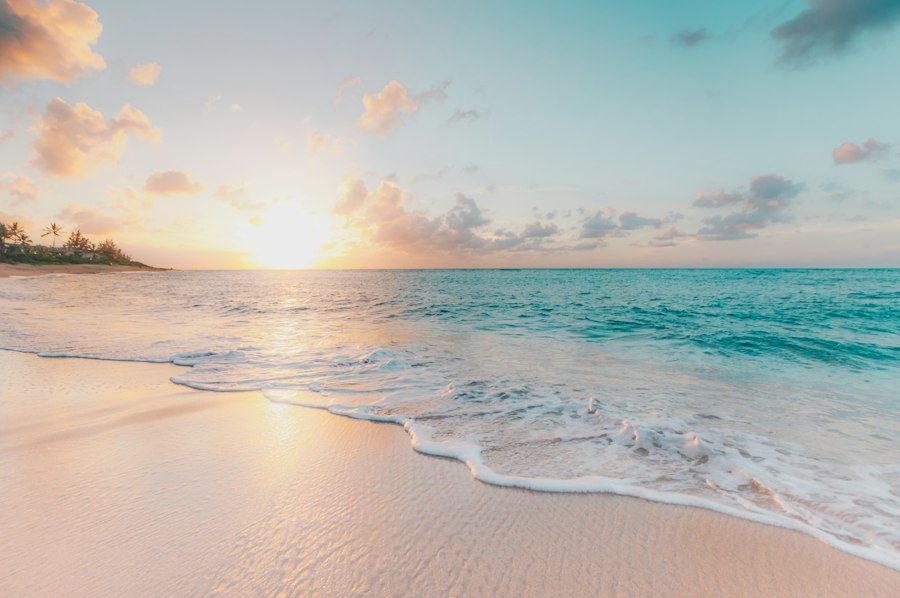
Sea turtle nesting and hatchery Kosgoda Sri Lanka
Madu River

Madu River β€” A Ramsar Wetland of World Significance

The Madu River estuary north of Kosgoda is one of the finest inland waterway experiences in Sri Lanka and one of the most biologically rich wetlands in South Asia. The river's 915-hectare mangrove estuary is home to 64 islands, 303 plant species, 111 bird species and 248 animal species including the saltwater crocodile, the water monitor, the purple-faced langur monkey and the fishing cat β€” one of the rarest small cats in the world. Boat trips on the Madu River typically last 1.5 to 3 hours, winding through narrow mangrove channels where the overarching roots create cathedral-like tunnels of vegetation. Highlights include the mangrove-cinnamon islands where cinnamon bark is peeled directly from the living branches growing out of the water β€” one of the most unusual agricultural sights in Sri Lanka β€” and the fish therapy pools where small doctor fish provide the natural skin treatment that has made Madu River boat trips famous across the country. The river is most magical at dawn, when the morning mist rises from the water, the birds are at their most active and the light through the mangrove canopy is extraordinary. Evening trips offer different qualities β€” the silhouettes of herons against the sunset sky and the increasing chance of crocodile sightings as the day cools.

Madu River mangrove boat safari near Kosgoda
Village & Resilience

Village Life, the Coast Road & the Tsunami Legacy

Kosgoda is one of the west coast villages that was directly and devastatingly affected by the Indian Ocean tsunami of 26 December 2004. The wave struck this section of the coast with particular force, killing hundreds of residents and destroying most of the buildings close to the shore. The rebuilt village that exists today is in many ways a testament to the determination and resilience of the fishing community that chose to return and rebuild on the same coastline β€” the sea that gave them their livelihood was also the force that took so much from them, and the community's relationship with the Indian Ocean is therefore one of uncommon complexity and depth. The turtle hatchery itself was rebuilt after the tsunami destroyed the original facility, and its continued operation is a small but meaningful symbol of the community's commitment to the coast and the creatures that share it. The coast road through Kosgoda is one of the most pleasant stretches of the Southern Expressway's coastal alternative β€” a route lined with jak trees, small wayside temples, occasional glimpses of the sea between the coconut palms, and the kind of slow, village-paced traffic that makes the journey itself as rewarding as the destination.

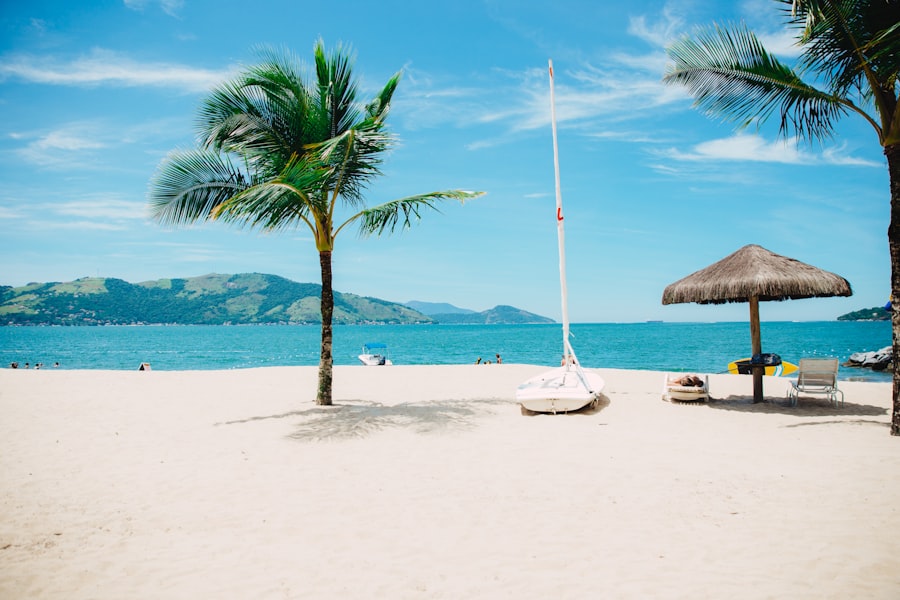
Kosgoda village beach and coastal life

Traveller's Notes

Everything you need to know

🐒

Turtle Hatchery Visit

The Kosgoda Sea Turtle Conservation Project welcomes visitors. A small entrance donation supports the conservation work. Ask about timing a visit for a hatchling release β€” these happen at dawn and are one of the most moving wildlife experiences on the coast. Night visits to see nesting females can sometimes be arranged in peak season.

πŸŒ…

Dawn Release

Hatchling releases happen at dawn (approximately 6:00 AM) when the water temperature is cooler and predators are less active. The release is a brief but extraordinarily affecting experience β€” hundreds of hatchlings the size of a coin making their first journey to the sea. Arrive at the hatchery before sunrise.

β›΅

Madu River Safari

Book a Madu River boat trip through your accommodation or at the river landing (15 km north near Balapitiya). Morning trips are best for bird life. Allow 2–3 hours for the full experience including cinnamon island and fish therapy pool. Rates around LKR 2,500–4,000 per person.

🌿

Cinnamon Islands

Ask your Madu River boat operator to include the cinnamon-peeling islands where you can see and smell the bark being stripped from living branches growing from the water. The fragrance in the enclosed mangrove channels is remarkable and the agricultural technique is unlike anything else in Sri Lanka.

πŸ›

Where to Eat

Kosgoda has few tourist restaurants but excellent local food β€” small family-run places near the main road serve rice and curry and fresh fish at village prices. For more variety, Bentota (15 km north) and Ambalangoda (12 km south) both have better dining options.

🏨

Where to Stay

Small eco-guesthouses near the turtle hatchery offer the most atmospheric stays. The nearby Turtle Bay Hotel is the most established option. For more facilities, Bentota's resort hotels are 15 km north. A two-night stay gives enough time for the hatchery, Madu River and the village.

Location

Find Kosgoda

πŸ“

Kosgoda

Western Province, Sri Lanka Β· Sea Turtle Conservation Site

🐒 Turtles🌿 Madu River🐊 Mangroves

From Colombo

72 km Β· ~1.5 hrs

To Bentota

15 km Β· 20 min

GPS Coordinates

6.3375Β° N, 80.0244Β° E

Ready to witness the hatchlings?

Let us transfer you from anywhere in Sri Lanka to Kosgoda's conservation coast β€” comfortable, reliable and always on time.