

Kalutara

Weligama Taxi & Shuttles Number 01

Weligama Taxi & Shuttles Number 01

Western Province Β· River Mouth Town

A hollow stupa, a black river
and the queen of all fruit

Kalutara is one of the most individual towns on Sri Lanka's west coast β€” famous for its hollow Bodhiya dagoba, the dramatic river mouth where the Kalu Ganga meets the Indian Ocean, and the roadside mangosteen markets that make the drive here one of the most delicious journeys on the island.

🌊

River Mouth

Kalu Ganga

🌑️

Avg. Temperature

27 – 32 Β°C

πŸ–οΈ

Beach Length

Long Sandy Shore

✈️

From Colombo

43 km Β· 1 hr

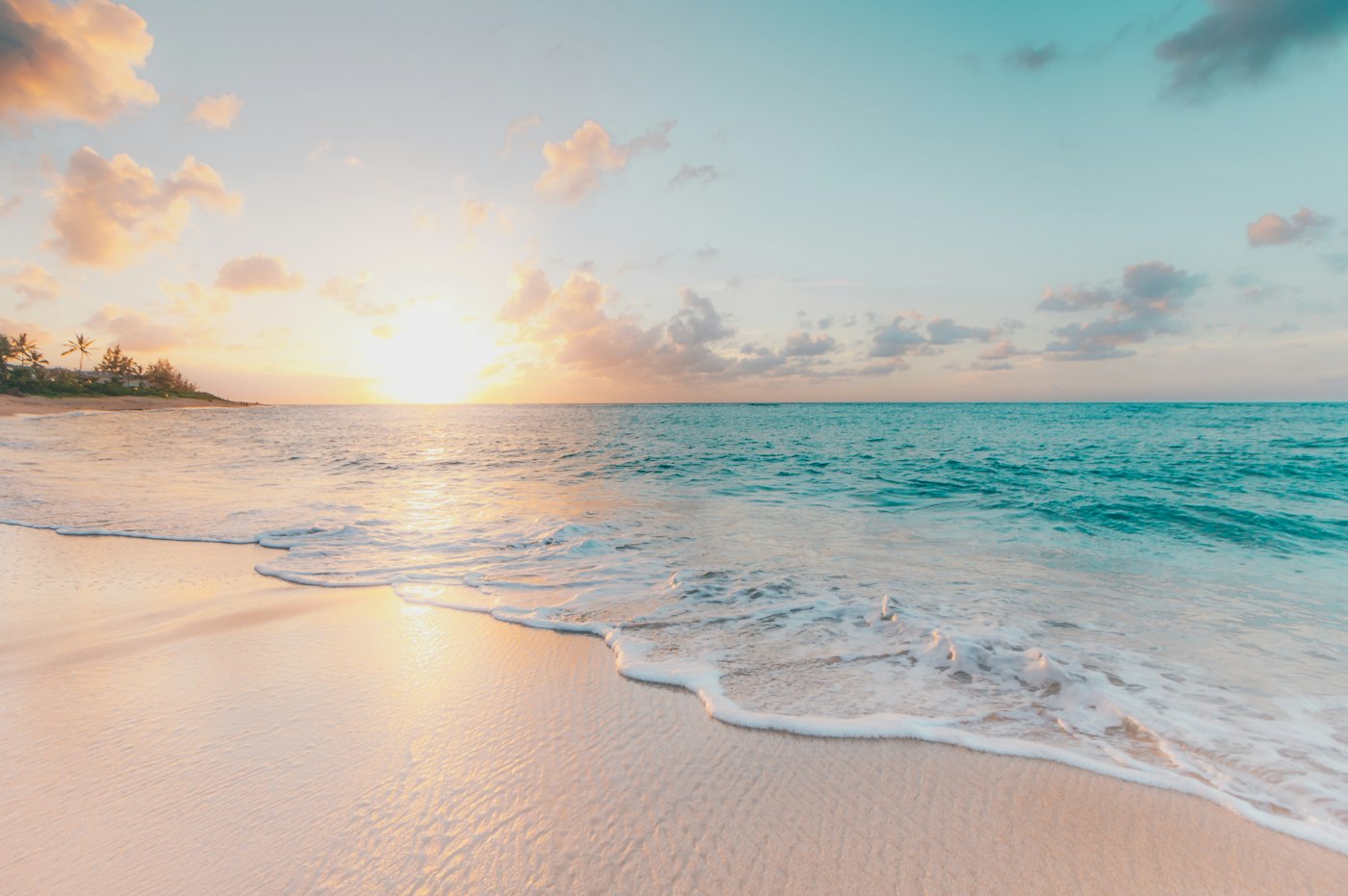
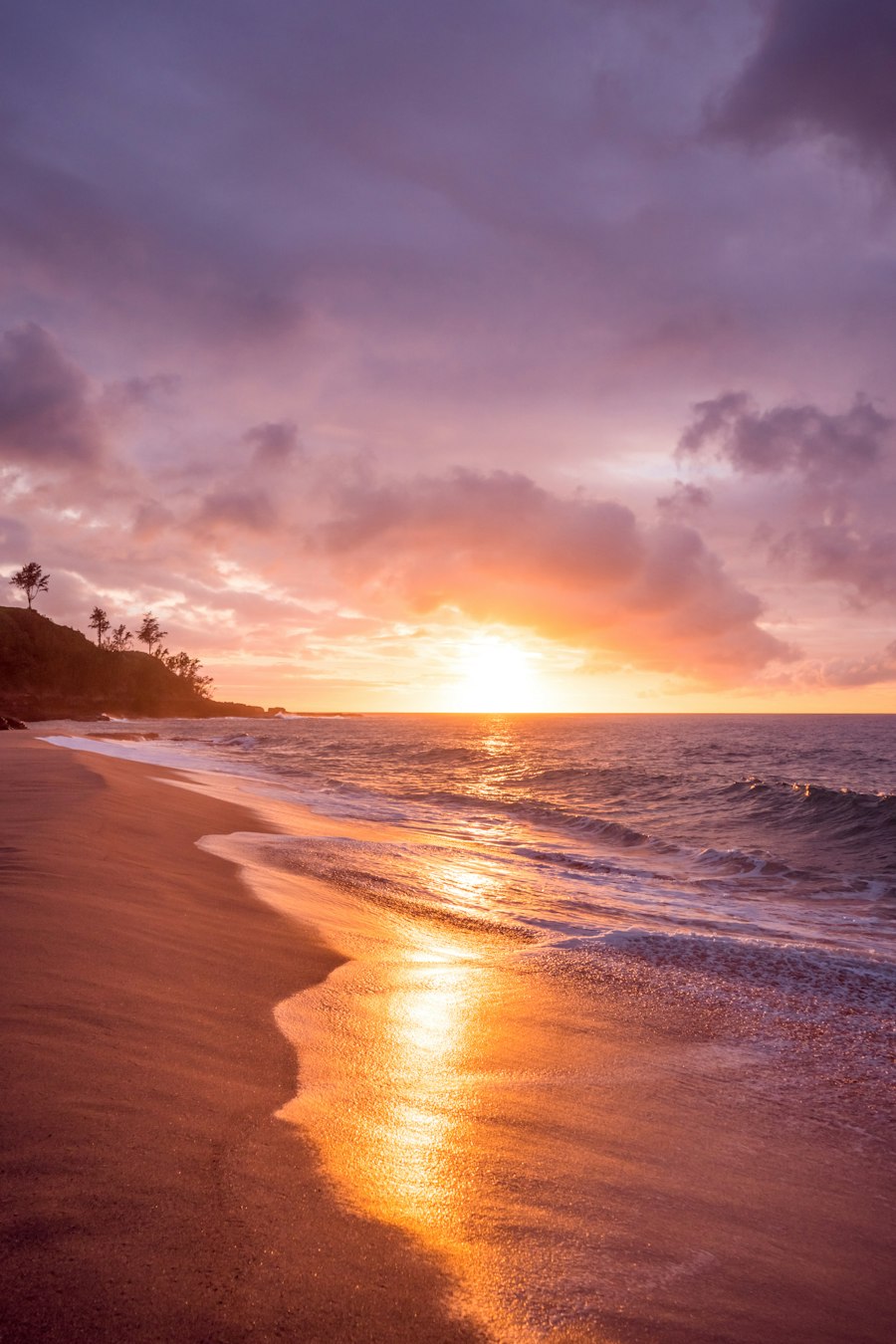
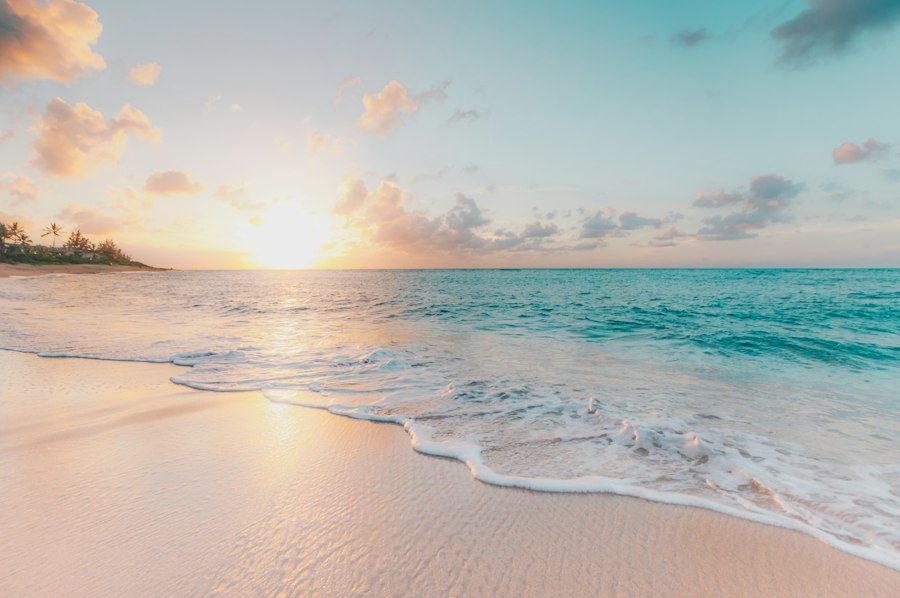
Where the Kalu Ganga Meets the Indian Ocean
West CoastπŸ“ Kalutara Beach

Where the Kalu Ganga Meets the Indian Ocean

01 / 04
β€œTo stand inside the hollow stupa at Kalutara, with the oil lamps burning in the niches and the Bodhi tree growing from the floor, is to understand something about sacred space that no solid monument can convey β€” that it is possible to be inside an act of faith.”

Sacred Site

The Hollow Dagoba & the Sacred Headland

The Kalutara Bodhiya is one of the most architecturally distinctive Buddhist monuments in Sri Lanka β€” remarkable not for its size (though it is substantial) but for its structural innovation. Unlike the solid hemispheres of the great dagobas at Anuradhapura and Polonnaruwa, the Kalutara stupa is built hollow, with a doorway that leads visitors into a circular inner chamber where a sacred Bodhi tree sapling grows, oil lamps burn in niches cut into the walls, and paintings of the Buddha's life cover every surface in vivid, narrative detail. The effect is of being inside the stupa rather than before it β€” an experience that is genuinely unusual in Sri Lankan Buddhist architecture and more intimate than the great monuments of the ancient cities. The Bodhiya stands on a rocky promontory at the very tip of the headland where the Kalu Ganga meets the sea, commanding views up and down the coast and across the river mouth in both directions. The promontory has been a sacred site for centuries β€” the original shrine here was constructed during the reign of King Walagamba in the 1st century BC, and the current structure, while relatively modern, is built on the spiritual foundations of this much older place of worship. The surrounding Buddhist complex, including a larger conventional dagoba, a Bodhi tree shrine and a monks' residence, is active and well-maintained, and the atmosphere at dawn β€” when the first light catches the white dome above the dark river water β€” is one of the most atmospherically beautiful on the west coast.

Kalutara Bodhiya hollow dagoba Sri Lanka
River & Nature

The Kalu Ganga β€” River, Rubber & the Road to the Highlands

The Kalu Ganga is the river that gives Kalutara both its name and its character. Rising in the Sabaragamuwa highlands near Ratnapura β€” Sri Lanka's gem-mining capital β€” the river descends through one of the most botanically rich regions on the island, passing through primary rainforest, rubber estates, cinnamon plantations and coconut groves before reaching the coastal plain at Kalutara. The river mouth forms a wide lagoon where the fresh and salt water mix, creating a productive fishery that supports the local fishing community and provides the town's restaurants with an exceptional daily catch. The lagoon is rich in bird life β€” herons, egrets, kingfishers and terns are present year-round, and the mangrove fringes shelter monitor lizards and the occasional water monitor of impressive size. Boat trips on the lagoon and upriver into the mangrove and rubber estate landscape are available from the river bank and provide a perspective on Kalutara that the coastal road cannot offer. The Kalu Ganga is also the traditional route by which the gem and cinnamon trades of the interior reached the coastal ports β€” a commercial artery that has been operating for at least two thousand years and whose legacy is still visible in the character and prosperity of the town.

Kalu Ganga river mouth at Kalutara
Food & Coast

Mangosteen, Coconuts & the Road-Side Abundance

The drive south from Colombo to Kalutara on the coastal highway is one of the most gastronomically rewarding road trips in Sri Lanka. The entire stretch is lined with fruit stalls, juice vendors, coconut sellers and the legendary mangosteen markets for which Kalutara district is famous across the island. The mangosteen β€” Garcinia mangostana β€” produces its fruit between May and August, and the Kalutara district is the largest producer in Sri Lanka. The fruit is sold from roadside carts piled high with the dark purple spheres, cracked open on request to reveal the snow-white segments inside, their flavour a perfect balance of sweetness and gentle acid that has led food writers to call it the finest flavour in the tropical world. Beyond mangosteen, the road passes through one of Sri Lanka's largest coconut growing regions, and the roadside stalls offer king coconuts split on the spot for fresh water and jelly, fresh rambutan in scarlet bunches, pineapple, jackfruit and an array of locally produced chutneys, treacles and pickles. The Kalutara beach itself β€” a long, open arc of west coast sand β€” has a small number of resort hotels and a local beach culture that is active at weekends when families from Colombo drive down for the day, the restaurants on the front doing a brisk trade in fried fish, prawn curry and king coconut drinks.

Kalutara beach and tropical fruit market

Traveller's Notes

Everything you need to know

πŸ•Œ

Visit the Bodhiya

The Kalutara Bodhiya is open daily from early morning. Remove shoes before entering the complex. The hollow interior is accessible β€” walk through to the inner chamber to see the Bodhi tree and paintings. Dawn visits offer the most atmospheric light on the white dome above the dark river.

πŸ₯­

Mangosteen Season

Mangosteen season runs May to August. The roadside stalls approaching Kalutara from Colombo are the freshest source. Buy a kilogram and eat them immediately β€” they do not travel or keep well. Look also for rambutan, langsat and salak (snake fruit) at the same stalls.

β›΅

River Boat Trip

Hire a boat from the river bank for a 1–2 hour lagoon and upstream mangrove trip. Dawn and late afternoon are best for bird life. Rates around LKR 2,000–3,500. Ask the boatman to take you into the mangrove channels rather than staying on the main river.

πŸ–οΈ

The Beach

Kalutara's beach stretches south of the river mouth. The section near Katukurunda is widest and least crowded. Swimming is safest October to April when the swell is lower. The beach is most lively on Saturday and Sunday afternoons when local families arrive from Colombo.

πŸ›

Where to Eat

The beachfront restaurants near the Bodhiya serve good rice and curry and fresh fish. For the road-food experience, stop at the fruit stalls and coconut sellers on the coastal highway. The Tangerine and Sindbad hotels on the beach road have reliable kitchen-to-table seafood menus.

πŸš—

Getting Here

Kalutara is 43 km south of Colombo β€” easily reached by car in about an hour. It makes an ideal day trip from Colombo or a gentle introduction to the west coast on a journey south toward Bentota, Ambalangoda and Galle. The Southern Expressway passes close by for faster travel.

Location

Find Kalutara

πŸ“

Kalutara

Western Province, Sri Lanka Β· Kalu Ganga River Mouth

πŸ›οΈ BodhiyaπŸ₯­ Mangosteenβ›΅ River

From Colombo

43 km Β· ~1 hr

To Beruwala

15 km Β· 25 min

GPS Coordinates

6.5854Β° N, 79.9603Β° E

Ready to taste the queen of fruit?

Let us transfer you from anywhere in Sri Lanka to Kalutara's riverside town β€” comfortable, reliable and always on time.