

Deniyaya

Weligama Taxi & Shuttles Number 01

Weligama Taxi & Shuttles Number 01

Matara District Β· Sinharaja Gateway

The door to a forest
that evolution never left

Deniyaya is the southern gateway to Sinharaja β€” Sri Lanka's last primary rainforest, a UNESCO World Heritage Site of extraordinary biodiversity where 19 endemic bird species, dozens of endemic reptiles and the richest endemic flora in Asia survive in a forest that has been undisturbed since before human memory.

🌿

Sinharaja

UNESCO World Heritage

🌑️

Avg. Temperature

18 – 27 Β°C

🦜

Bird Species

147 incl. 19 Endemic

✈️

From Colombo

155 km Β· 3.5 hrs

The Last Primary Rainforest in Sri Lanka
UNESCO RainforestπŸ“ Sinharaja Forest

The Last Primary Rainforest in Sri Lanka

01 / 04
β€œThe mixed-species flock moves through the canopy above you and in fifteen minutes you have seen more endemic species than in a week elsewhere β€” and the forest keeps going, and the birds keep coming, and the guide keeps pointing, and the morning keeps producing gifts.”

Sinharaja

Sinharaja β€” The Last Ancient Forest

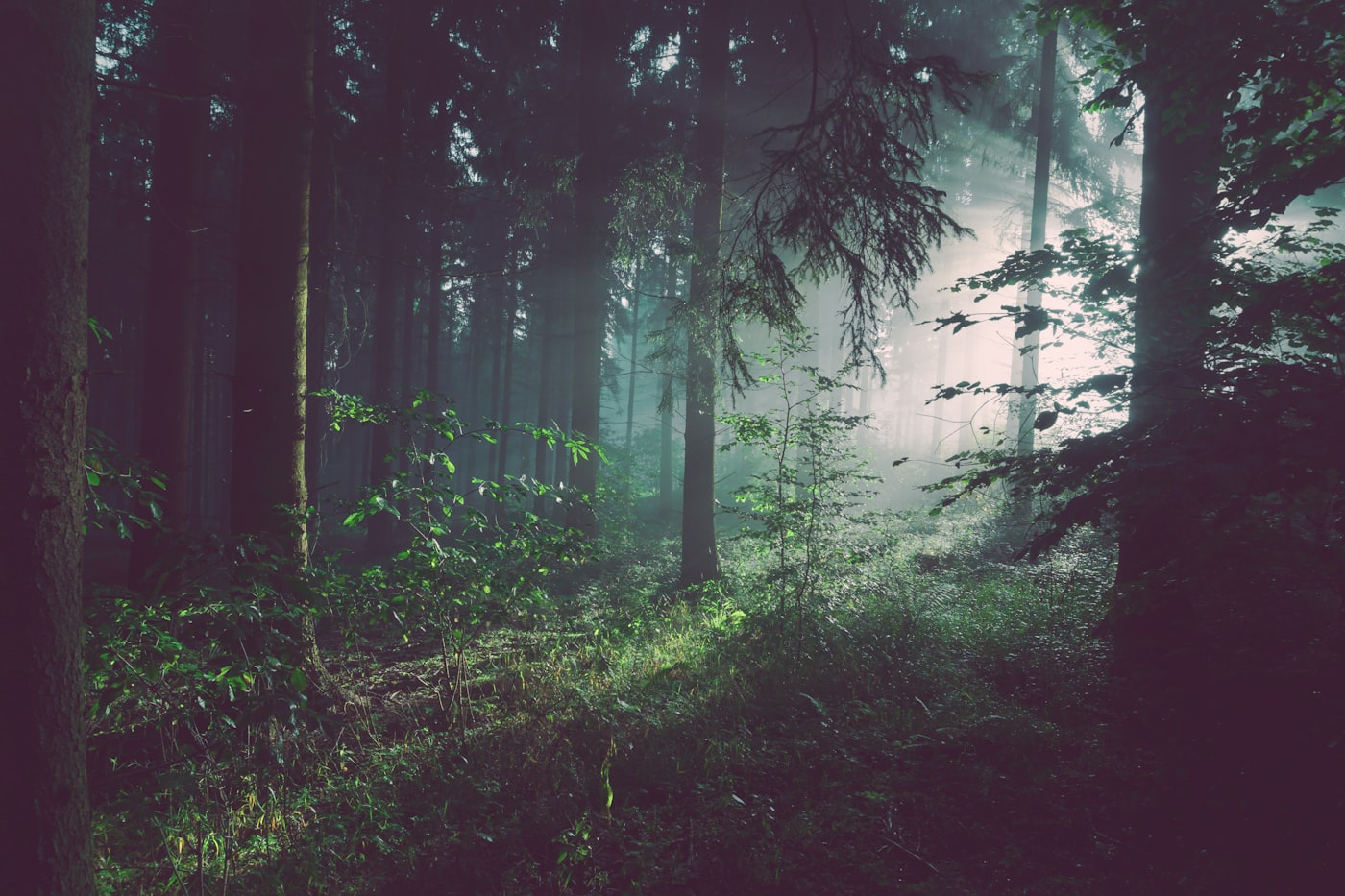
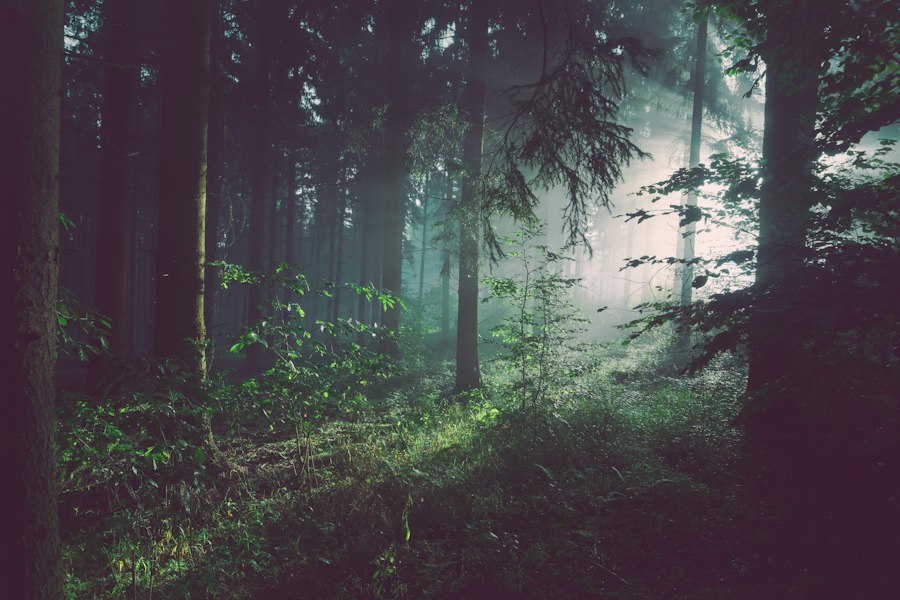
Sinharaja Forest Reserve covers approximately 11,187 hectares of primary lowland tropical rainforest in the south-western wet zone β€” the last substantial remnant of the forest that once covered this entire region and that has been reduced over centuries of agriculture and timber extraction to this single remaining core. Its UNESCO World Heritage designation in 1988 recognised not merely its ecological value but its status as an irreplaceable repository of biodiversity β€” a place where evolution has been working in isolation long enough to produce species found on no other patch of ground on earth. The forest receives 2,500 to 5,000 millimetres of rainfall annually, fed by both the southwest and northeast monsoons, and the resulting canopy is dense, layered and perpetually wet β€” the air at ground level cool, humid and saturated with the smell of leaf litter, fungi and the particular earthy richness of a forest floor that has not been disturbed for millennia. The trails from Deniyaya enter the forest at the Kudawa ranger station and penetrate the interior along river courses and ridge paths that reveal the forest's structure β€” the emergent trees rising above the canopy, the understory of palms and small trees, and the ground layer of herbs, ferns and mosses that cover every horizontal surface. Forest guides are mandatory and genuinely invaluable β€” their ability to locate endemic species by call alone transforms what would otherwise be a green wall into a narrative of extraordinary richness.

Sinharaja rainforest interior UNESCO Sri Lanka
Endemic Wildlife

Birds, Reptiles & the Endemic Riches of the Wet Zone

Sinharaja's biodiversity statistics are extraordinary by any measure, but the numbers become meaningful only when you are standing in the forest at dawn as a mixed-species flock moves through the canopy. These flocks β€” characteristic of Sinharaja and among the largest species-mixed flocks recorded anywhere in Asia β€” contain multiple endemic species moving together through the forest in a feeding association of mutual benefit. A single flock may include the Sri Lanka blue magpie, the crested drongo, the orange-billed babbler, the ashy-headed laughingthrush and several other endemic species, all visible simultaneously in a fifteen-minute encounter that can check off more Sri Lankan endemics than a week of searching elsewhere. Among the reptiles and amphibians, Sinharaja harbours endemic species of extraordinary interest β€” the green pit viper, the Sinharaja shrub frog and the hump-nosed pit viper among many others β€” and the density of endemic geckos, skinks and lizards means that any slow walk through the forest interior will produce multiple encounters. The forest is also home to the Sri Lanka leopard (rarely seen but present), the purple-faced langur, fishing cats, porcupines and the occasional giant squirrel in the upper canopy. For naturalists, a full day in Sinharaja with a good guide is one of the most rewarding wildlife experiences available in Asia.

Endemic birds and wildlife in Sinharaja forest
Town & Landscape

Deniyaya Town, Tea Country & the Southern Approach

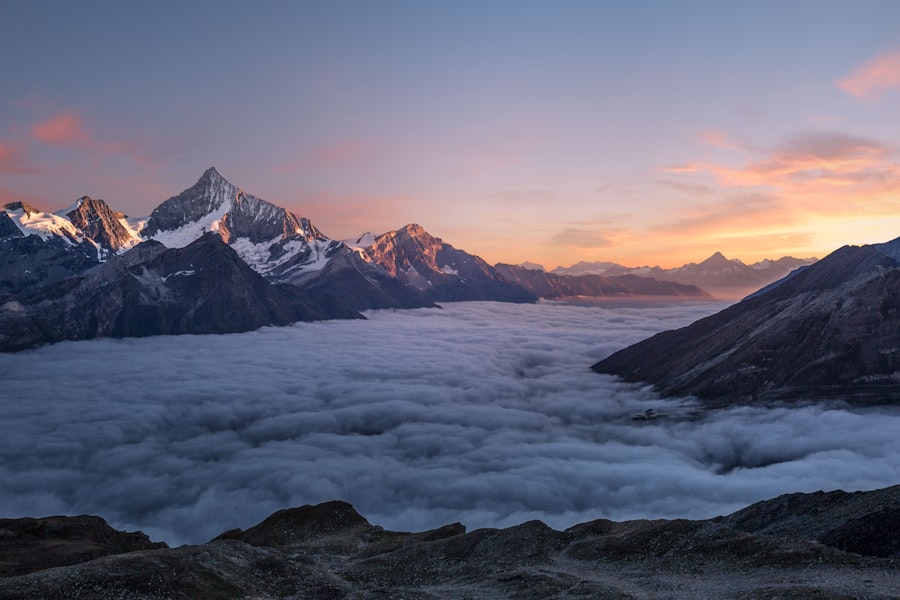
Deniyaya itself is a small, unhurried market town set in a landscape of considerable beauty β€” the town sits at the edge of the tea country, with the forest rising on the horizon and the roads descending toward the southern coast through rubber and cinnamon estates. The town is genuinely local β€” a market, some small restaurants, a few guesthouses catering to naturalists and birders, and the daily life of a community that works the land around it rather than the tourists passing through. The drive to Deniyaya from the south coast β€” from Ahangama, Galle or Mirissa β€” passes through some of the finest transitional landscape in Sri Lanka: the flat coastal plain giving way to rolling hills, the coconut palms yielding to rubber, the rubber to tea, and the tea to the dark forest canopy of the reserve boundary. The waterfalls that descend from the forest edge into the valleys around Deniyaya β€” Bambarakanda nearby is the tallest in Sri Lanka at 263 metres β€” add a further dimension to the landscape. The Beverley Falls and the Morningside trail within the Sinharaja buffer zone offer alternatives for those who want a gentler introduction to the forest edge before committing to a full interior trail. The combination of rainforest, tea country and easy access to the south coast makes Deniyaya one of the most rewarding overnight stops in the southern highlands.

Deniyaya town tea country southern highlands Sri Lanka

Naturalist's Notes

Everything you need to know

🌿

Forest Entry

Entry to Sinharaja requires a permit from the Forest Department (available at the Kudawa ranger station, 3 km from Deniyaya). A registered guide is mandatory β€” this is not a restriction but a genuine asset. The best guides know the endemic species by call and can find them in dense forest where an unguided visitor would see nothing.

🦜

Birding Strategy

Arrive at the Kudawa entrance before 6:00 AM to catch the dawn chorus and the first mixed-species flocks. The morning window 6–10 AM is the most productive. June to September and January to March are the best birding periods. Bring a compact 8x42 binocular β€” a heavy telephoto is impractical on the forest trails.

🌧️

What to Wear

Sinharaja is wet year-round β€” a light waterproof jacket is essential even in the dry season. Wear long sleeves and trousers against leeches (they are harmless but numerous after rain). Carry a change of dry clothes. The forest temperature is 18–22Β°C β€” cooler than the coast.

🐍

Forest Safety

Follow your guide at all times and stay on the marked trails. The forest is dense and disorientation is easy. Wear proper footwear β€” ankle-covering trail shoes or boots. Leeches are common after rain β€” apply salt or tobacco to remove them. Snakes are rarely encountered but always watch where you put your feet.

πŸ›

Where to Eat

Deniyaya town has small local restaurants serving rice and curry at village prices. Most accommodation near Sinharaja provides meals β€” half-board is recommended as dining options are limited outside the town. The food in the forest-edge guesthouses is typically home-cooked, generous and excellent.

🏨

Where to Stay

Stay as close to the Kudawa forest entrance as possible for early morning access. Sinharaja Rest, Martin's Simple Lodge and the Forest Department bungalows within the reserve boundary are the most sought-after. Book weeks ahead for weekends and school holidays. An overnight stay is strongly recommended over a day trip.

Location

Find Deniyaya

πŸ“

Deniyaya Β· Sinharaja

Matara District, Sri Lanka Β· Gateway to UNESCO Rainforest

🌿 Sinharaja🦜 EndemicsπŸ’§ Waterfalls

From Colombo

155 km Β· ~3.5 hrs

To South Coast

60 km Β· 1.5 hrs

GPS Coordinates

6.3420Β° N, 80.5535Β° E

Ready to enter the ancient forest?

Let us transfer you from anywhere in Sri Lanka to Deniyaya's forest gateway β€” comfortable, reliable and always on time.