

Anuradhapura

Weligama Taxi & Shuttles Number 01

Weligama Taxi & Shuttles Number 01

North Central Province Β· Ancient Kingdom

A civilisation that spoke
in stone and silence

Anuradhapura is one of the oldest continuously inhabited cities in the world and Sri Lanka's most sacred ancient capital β€” a UNESCO World Heritage Site where towering dagobas, the world's oldest documented tree, and vast hydraulic reservoirs tell the story of a civilisation that flourished for over a thousand years.

πŸ›οΈ

Civilisation

3rd Century BC

🌑️

Avg. Temperature

28 – 35 Β°C

🌍

UNESCO Site

World Heritage

✈️

From Colombo

205 km Β· 4 hrs

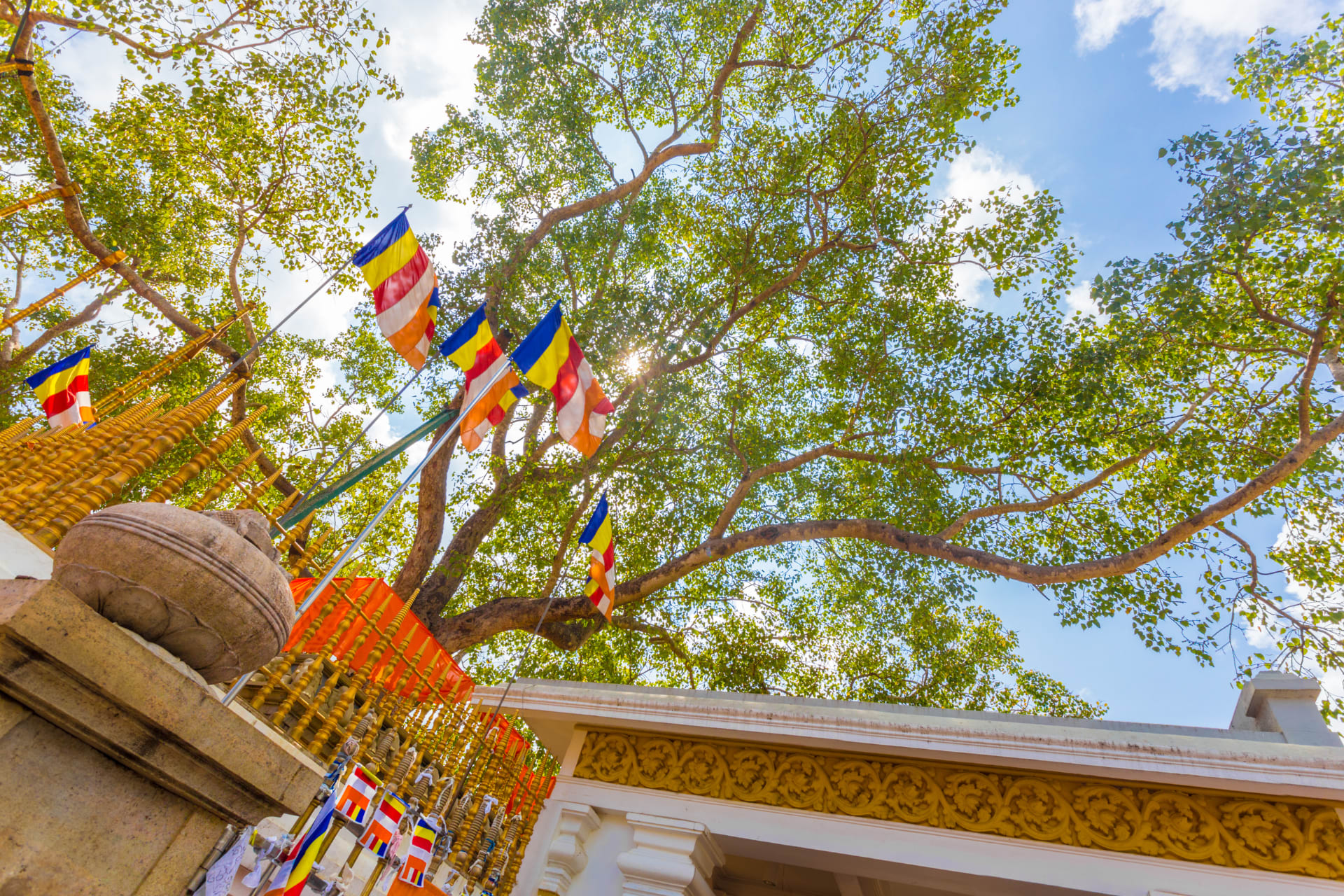
Sri Maha Bodhi β€” The Oldest Living Tree on Earth
Sacred HeritageπŸ“ Sri Maha Bodhi

Sri Maha Bodhi β€” The Oldest Living Tree on Earth

01 / 04
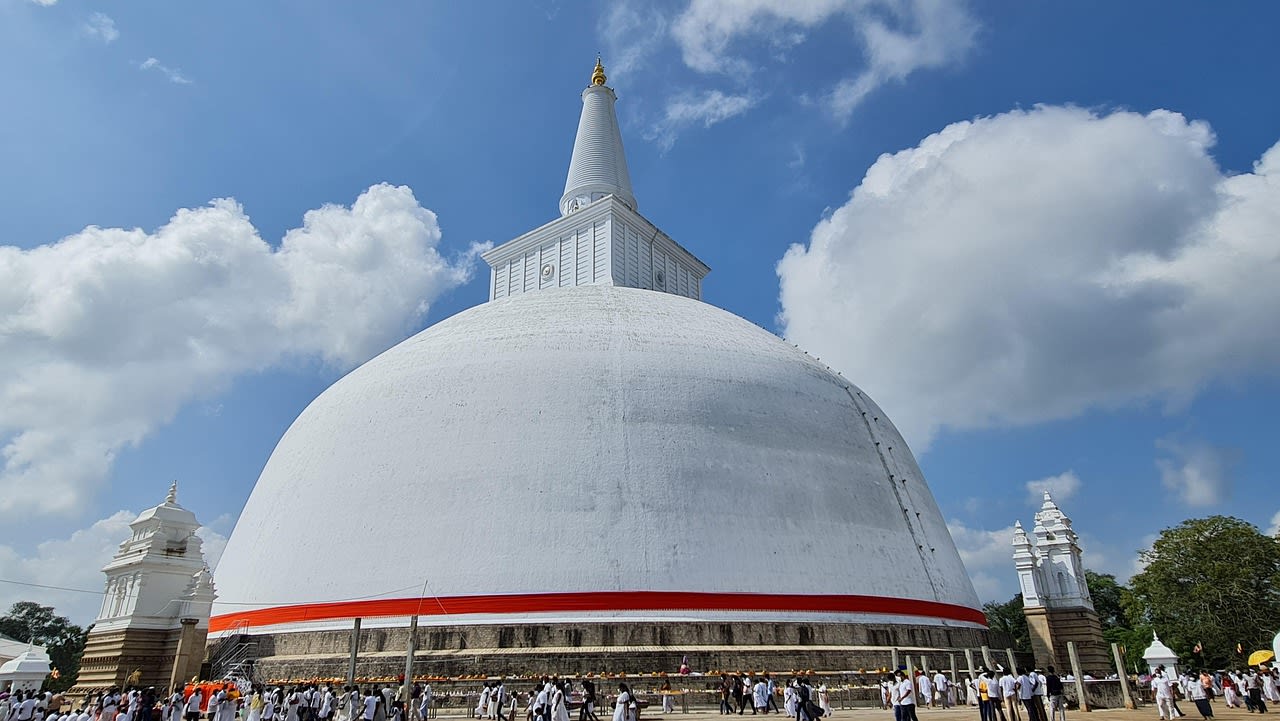
β€œTo walk among the dagobas of Anuradhapura at dawn, when the mist rises from the ancient tanks and the first light catches the white dome of Ruwanwelisaya, is to understand that some things were built not merely to last, but to endure forever.”

History

The Sacred City β€” First Capital of Lanka

Anuradhapura was the first capital of Sri Lanka and one of the great cities of the ancient world. For over a thousand years β€” from approximately the 4th century BC until 1000 AD β€” it served as the political, religious and cultural heartland of a sophisticated civilisation that built massive reservoirs, elaborate irrigation systems, towering dagobas and palatial monasteries. At its height, Anuradhapura may have been home to over a million people, making it one of the largest cities on earth. The ancient city covers an area of some 40 square kilometres and contains eight of the most sacred sites in Theravada Buddhism β€” places of pilgrimage that have drawn the faithful from across Asia for more than two millennia. Today, designated a UNESCO World Heritage Site, its ruins rise from a landscape of ancient tanks and dry-zone forest, creating an atmosphere of profound antiquity that is unlike anywhere else in South Asia.

Ruwanwelisaya stupa Anuradhapura
Architecture

Dagobas, Moonstone & the Art of Ancient Lanka

The builders of Anuradhapura created architectural forms of staggering ambition and refined beauty. The great dagobas β€” Ruwanwelisaya, Jetavanaramaya, Abhayagiri and Mirisavetiya β€” are among the largest ancient structures anywhere on the planet, their hemispherical domes rising from elaborately carved platforms guarded by ceremonial elephants carved from stone. The moonstones set at the foot of staircases are masterpieces of symbolic sculpture: concentric semi-circular bands depicting flames, vines, animals and geese trace the Buddhist path from the world of desire to the realm of the enlightened. The twin ponds of Kuttam Pokuna, fed by an ancient underground aqueduct, demonstrate a level of hydraulic engineering that astonishes modern architects. Every stone surface in the ancient city carries the trace of hands that worked two thousand years ago β€” a civilisation communicating across time.

Ancient dagoba and sacred Bodhi tree Anuradhapura
Nature

Tanks, Jungle & the Sacred Wildlife Sanctuary

Beyond the ruins, Anuradhapura is surrounded by a landscape of extraordinary natural beauty. The ancient hydraulic civilisation constructed vast man-made lakes β€” called tanks β€” that still water the dry-zone agriculture of the North Central Province. Nuwara Wewa, Tissa Wewa and Basawakkulama tank are home to enormous flocks of painted storks, purple herons, cormorants and kingfishers, and at dusk elephant herds come to drink at the water's edge. The Wilpattu National Park lies just 30 kilometres west β€” Sri Lanka's largest national park and home to the highest density of leopards on the island. Its distinctive villus (natural water basins) attract bears, sambar deer, spotted deer, water buffalo and hundreds of bird species. A morning jeep safari from Anuradhapura into Wilpattu followed by an afternoon among the ancient dagobas is one of the great experiential contrasts Sri Lanka offers.

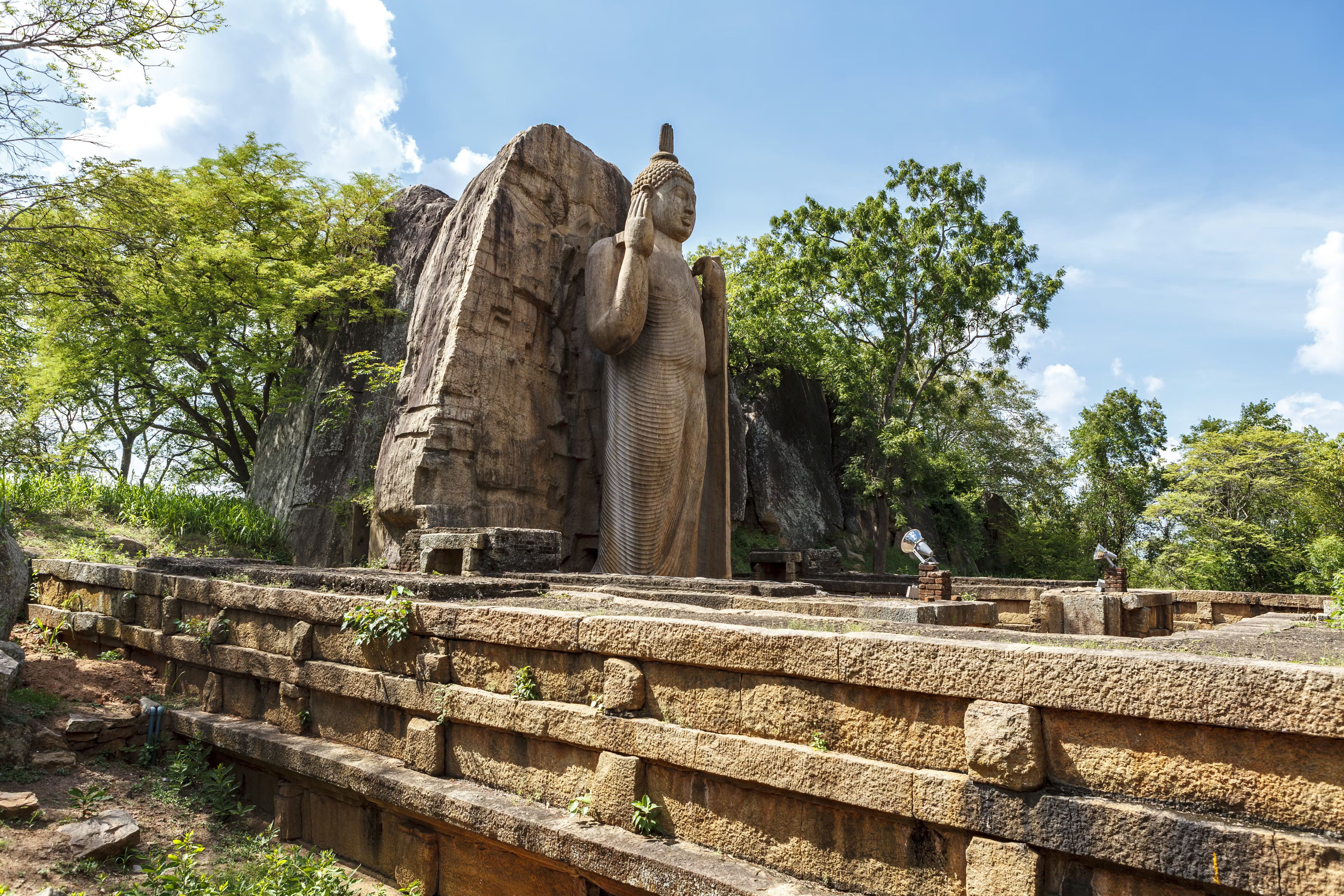
Ancient ruins and nature in Anuradhapura

Traveller's Notes

Everything you need to know

πŸŒ…

Best Time to Visit

November to April is the dry season β€” ideal for cycling between sites. The Poson Poya full moon festival in June draws hundreds of thousands of pilgrims and is one of the most spectacular religious events in Sri Lanka.

🚲

Getting Around

The sacred city is best explored by bicycle β€” hire one near the entrance for around LKR 300/day. The main sites are spread over several kilometres, so a tuk-tuk or car is useful for longer distances to Mihintale or Wilpattu.

πŸ•Œ

Temple Etiquette

All sacred sites require modest dress β€” shoulders and knees covered, and shoes removed before entering temple precincts. White clothing is respectful and practical in the heat. Photography is generally permitted outside shrines.

πŸ†

Wilpattu Safari

Wilpattu National Park (30 km west) has the island's densest leopard population. Morning game drives depart at 6:00 AM β€” book through your hotel the evening before. Allow a full day for the best wildlife sightings.

πŸ›

Where to Eat

The new town area around Mainstreet has good rice-and-curry restaurants. Malwathu Oya area near the tanks has simple open-air spots popular with local pilgrims. Bring water β€” the dry-zone heat is intense.

🏨

Where to Stay

Hotels cluster in the new town, a short ride from the sacred city. For atmosphere, guesthouses near Tissa Wewa tank offer evening views of the water and visiting elephants. Book ahead during Poson season.

Location

Find Anuradhapura

πŸ“

Anuradhapura Sacred City

North Central Province, Sri Lanka Β· UNESCO World Heritage Site

πŸ›οΈ Dagobas🌳 Bodhi TreeπŸ† Wilpattu

From Colombo

205 km Β· ~4 hrs

Founded

4th Century BC

GPS Coordinates

8.3114Β° N, 80.4037Β° E

Ready to step into history?

Let us transfer you from anywhere in Sri Lanka to the ancient plains of Anuradhapura β€” comfortable, reliable and always on time.