

Ambalangoda

Weligama Taxi & Shuttles Number 01

Weligama Taxi & Shuttles Number 01

Southern Province Β· West Coast

Where ancient masks
still dance in firelight

Ambalangoda is Sri Lanka's mask capital β€” a coastal town of singular cultural identity where the ancient tradition of ceremonial mask carving has been practised for centuries, producing extraordinary objects of art and ritual still used in living healing ceremonies that predate any contact with the outside world.

🎭

Famous For

Mask Carving

🌑️

Avg. Temperature

27 – 32 Β°C

πŸ–οΈ

Beach Type

West Coast Shore

✈️

From Colombo

85 km Β· 1.5 hrs

The Mask Capital of Sri Lanka
Living HeritageπŸ“ Ambalangoda

The Mask Capital of Sri Lanka

01 / 04
β€œThe mask carvers of Ambalangoda work in the same gesture-language as their great-grandfathers β€” the adze, the chisel, the paint and the prayer β€” producing objects that are simultaneously tools of healing, works of art and windows into an ancient way of understanding the world.”

Masks & Heritage

The Mask Tradition β€” Art, Healing & Ancient Theatre

The mask-carving tradition of Ambalangoda is one of the oldest and most fully documented craft traditions in Sri Lanka, with roots traceable to the Kandyan period and probably earlier. The masks fall into two main categories: Kolam masks, used in the Kolam mask drama β€” a theatrical form that tells comic and mythological stories through performance β€” and Sanniya masks, which represent the eighteen diseases and their presiding demons and are used in night-long healing ceremonies known as Sanni Yakuma. The eighteen Sanniya masks β€” each representing a specific demon associated with a specific affliction from epilepsy to blindness to chronic fever β€” are carved with striking individuality: protruding eyes, exaggerated teeth, fierce expressions and elaborate headdresses, all painted in the vivid reds, yellows, blacks and whites that characterise the tradition. The carving is done from the wood of the kaduru tree, which is lightweight, fine-grained and takes paint well. Master carvers begin with an adze and finish with chisels of diminishing size, then sand and prime the surface before applying multiple coats of paint. The process for a single large mask can take several weeks. The Ariyapala and Sons Mask Museum on the southern edge of town is the finest introduction to the tradition, housing a collection of antique masks alongside the workshop where the family's fifth-generation craftsmen continue to produce ceremonial masks to commission.

Traditional Sri Lankan masks Ambalangoda craft
Ceremony

Devil Dancing, Ceremony & the Living Ritual

The masks of Ambalangoda are not merely decorative objects β€” they are functional instruments of a living ceremonial tradition that has survived the colonial period, religious change and the homogenising pressures of modernity with remarkable fidelity. The Sanni Yakuma ceremony, performed when a patient or family believes that illness has a supernatural cause, is an all-night ritual in which a trained exorcist β€” the kattadiya β€” dons the appropriate Sanniya masks in sequence, dancing and chanting to address each of the eighteen demons in turn and ultimately driving them away. The ceremony combines music, dance, comedy, drama, invitation and confrontation in a form that is as much theatre as ritual β€” and as much ritual as theatre. The Kolam performance tradition is slightly more secular in character: Kolam mask dramas tell stories from Sri Lankan mythology and folklore, often with comic subplots, and were historically performed in villages throughout the coastal areas of the country on auspicious occasions. Today, formal Kolam performances are rare, but Ambalangoda's cultural organisations work actively to preserve and teach the tradition, and performances can sometimes be arranged for interested visitors. The masks produced for export by the town's workshops are faithful copies of ceremonial originals, and purchasing one is both a support for a living craft tradition and the acquisition of an extraordinary piece of cultural art.

Traditional devil dance ceremony Sri Lanka
Town & Coast

The Beach, the Town & the West Coast Road

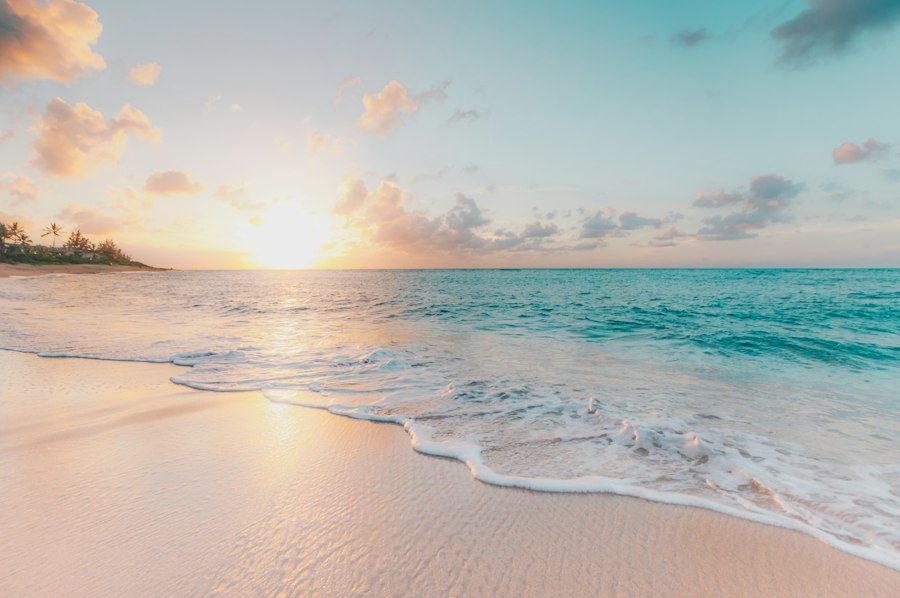
Ambalangoda's cultural distinctiveness tends to overshadow the fact that it is also a pleasant, unpretentious coastal town with a long beach and the relaxed atmosphere of a place that has not been reshaped for tourism. The beach is broad, backed by coconut palms and fronted by the open Indian Ocean β€” good for walking, watching the fishing fleet and experiencing the west coast surf, though swimming is better in the calmer sheltered sections at the southern end of the town. The town itself has excellent local restaurants serving the freshest seafood at local prices, a morning fish market, a batik industry that produces some of the finest hand-printed fabrics on the coast, and the kind of main street that still serves primarily its own population rather than passing tourists. Ambalangoda sits at almost exactly the midpoint between Colombo and Galle β€” 85 kilometres from each β€” making it the most accessible cultural destination on the southern west coast and an ideal stop on a journey between the two. The cinnamon estates that lie inland from the coast road produce a significant proportion of Sri Lanka's world-famous export, and a detour to one of the working estate bungalows provides a fascinating perspective on a spice trade that has been operating on this coast for over five centuries.

Ambalangoda beach and west coast town

Traveller's Notes

Everything you need to know

🎭

Mask Museum

The Ariyapala and Sons Mask Museum is the essential Ambalangoda stop β€” entry is free, the collection is extraordinary and the working workshop lets you watch master carvers in action. Allow 1–2 hours. The adjacent shop sells genuine hand-carved masks at fair prices.

πŸͺ΅

Workshop Visits

Several multi-generational mask carving workshops welcome visitors. The carvers work in open-fronted studios on the main road and the side lanes β€” look for the sound of chisel on wood and the smell of fresh paint. You are welcome to watch and ask questions; purchasing is not obligatory.

πŸŽͺ

See a Performance

Formal Kolam and Sanniya performances are not regularly scheduled but can sometimes be arranged through cultural organisations in Ambalangoda. Ask at the Mask Museum or your accommodation β€” with a few days notice, a private performance is often possible for small groups.

🌿

Cinnamon Estates

The cinnamon estates inland from Ambalangoda produce export-quality Ceylon cinnamon. Several estate bungalows offer short tours showing the peeling and processing of cinnamon bark β€” a fascinating and fragrant 45-minute experience. Ask locally for directions to the nearest working estate.

πŸ›

Where to Eat

The local restaurants along the coast road and near the bus station serve excellent rice and curry and fresh fish at prices well below the tourist resorts to the north and south. Ambalangoda is a genuine town β€” eat where the locals eat and the food will be considerably better.

πŸš—

Getting Here

Ambalangoda is on the main coastal highway between Colombo and Galle β€” 85 km from each, easily reached by private car, bus or train. It makes an ideal day trip from either city, or a comfortable overnight stop on a journey along the west coast.

Location

Find Ambalangoda

πŸ“

Ambalangoda

Southern Province, Sri Lanka Β· Mask Carving Capital

🎭 MasksπŸͺ΅ Craft🌿 Cinnamon

From Colombo

85 km Β· ~1.5 hrs

To Galle

30 km Β· 45 min

GPS Coordinates

6.2340Β° N, 80.0586Β° E

Ready to discover
living craft?

Let us transfer you from anywhere in Sri Lanka to Ambalangoda's workshops and culture β€” comfortable, reliable and always on time.