Tea Safari

Weligama Taxi & Shuttles Number 01

Weligama Taxi & Shuttles Number 01

Hero Banner
Hill Country · From Bush to Cup

The full story of
Ceylon tea

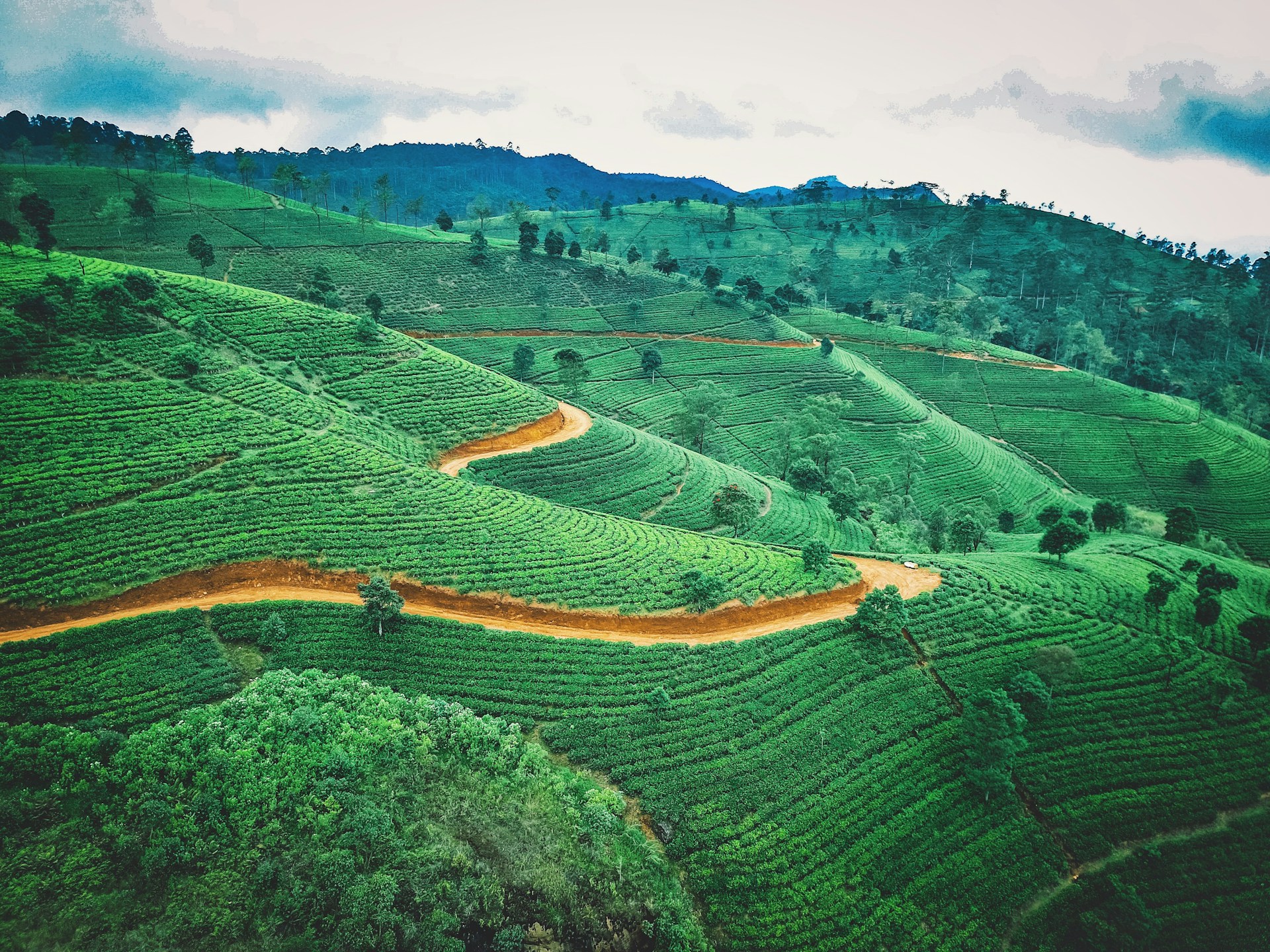
Ceylon tea has been one of Sri Lanka's defining exports since 1867, and the highland estates where it's grown — at 1,500 to 2,000 metres above sea level — remain one of the country's most evocative landscapes. The tea safari follows the leaf from bush to cup across four stages, ending on the verandah of a colonial-era planter's bungalow with the cup itself.

Sri Lanka's Tea Regions

Where the safari can be set

Nuwara Eliya

1,800–2,000m

Highest, brightest, finest

Haputale

1,400–1,700m

Dramatic vistas, Lipton country

Ella

1,000–1,300m

Mid-grown, accessible

Kandy

500–900m

Mid-country, fuller body

What You'll Taste

The five tea grades on the tasting board

OP

Orange Pekoe

Long, twisted leaf

BOP

Broken Orange Pekoe

Strong, brisk cup

FBOP

Flowery BOP

With tip, more delicate

Pekoe

Pekoe

Smaller leaf, fuller

Tips

Silver Tips

White tea — rare

Field

Walking among the bushes

Process

Withering to grading

Tasting

Five grades, blind

Heritage

Colonial planter's bungalow


The Estate · 1 hr walkField1,800m elevation

Walking the Tea Fields

Among the bushes with the pluckers — the working heart of Ceylon tea

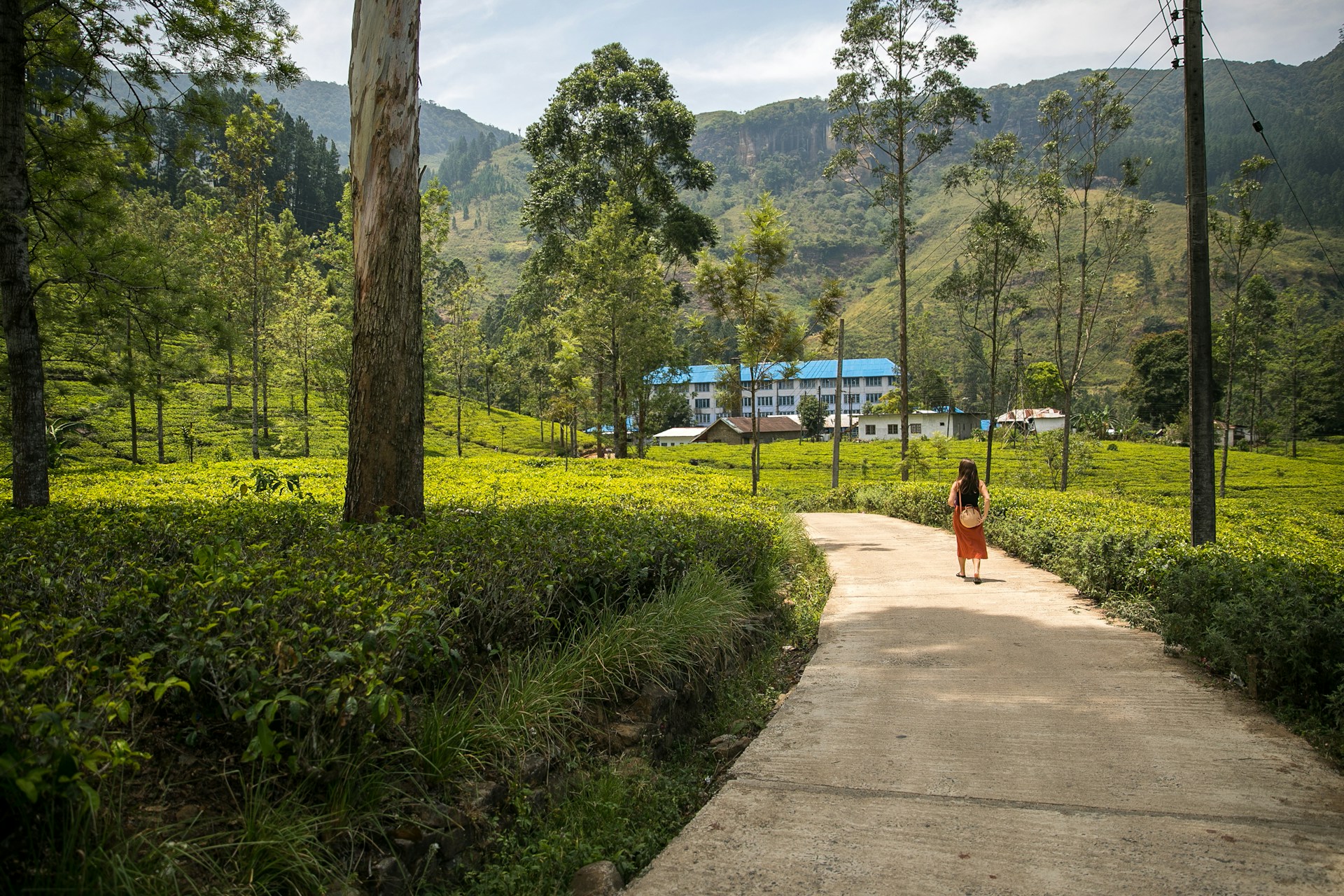
The walk through the tea fields begins at the bottom of one of the estate sections — a slope of close-cropped tea bushes interrupted by occasional silver-oak shade trees and the distant figures of pluckers moving slowly through the rows. The pluckers are women, almost without exception, descendants of the South Indian Tamil workforce brought to the highlands by the British in the late 19th century to work the tea estates; they wear sarees and bright cardigans against the cool highland air, with traditional cane baskets strapped to their foreheads and hanging down their backs. The guide will introduce a willing plucker (a small tip is appreciated) and demonstrate the precise, fast hand movement that defines the work — the two fresh leaves and the unopened bud snapped off the bush and tossed backward over the shoulder into the basket, the basket rapidly filling, the plucker moving along the row at a constant unhurried pace. A skilled plucker harvests 18 to 25 kilograms of fresh leaf in a working day for a daily wage of around LKR 1,200 to 1,400 — a fact worth knowing as you drink the cup at the end of the safari. The walk continues through the estate sections, the guide explaining the pruning cycle, the differences between high-grown and low-grown tea, and the climate factors that make Sri Lanka's central highlands one of the world's premier tea-growing regions. The walk takes around an hour and is gentle in gradient.

👟

Closed-toe shoes essential — the estate paths are uneven

🧥

Cool at 1,800m — light layer needed even in the dry season

💵

Small tip for the plucker (LKR 200–500) is welcome

📷

Ask before photographing pluckers at close range

Walking the Tea Fields
Field
1,800m elevation

The Factory · 45 minProcess5-stage processing

Inside the Tea Factory

Withering, rolling, oxidation, firing, grading — the five stages of black tea

The factory tour begins at the upper floor where the day's fresh leaf is laid out on long withering troughs — wooden mesh racks the length of the building, with hot air blown from below for 12 to 18 hours to reduce the moisture content of the leaf from 80% to around 60%. The withered leaf is then dropped through chutes to the rolling floor below, where heavy cast-iron rollers (often the original 100-year-old equipment) crush and roll the leaves to break the cell walls and start the oxidation that will produce the black tea's characteristic colour and flavour. The rolled leaf is spread on cool tiled floors for 90 minutes to 2 hours of controlled oxidation — during which the bright green leaves visibly turn to a copper-brown — and then passed through firing ovens at 90°C to halt the oxidation and dry the leaf to its final 3% moisture. The final stage is grading and sifting, where the dried tea is mechanically sorted into the various leaf grades — OP (Orange Pekoe), BOP (Broken Orange Pekoe), FBOP, fannings, and the smallest dust grades — that will determine its market price and use. The whole process from field to packed product takes around 24 hours, and a working factory in full operation is a fascinating sensory experience: the sweet vegetal smell of withering leaf, the rhythmic clatter of the rollers, the warm copper tones rising from the oxidation tables, the fine dust of the grading floor.

📵

No photos inside the factory — equipment areas are off-limits

👃

The smell of oxidising tea is unforgettable — close your eyes for a moment

🧥

Factory floors can be cool — keep your light layer on

💧

Slippery surfaces — closed shoes with grip are essential

Inside the Tea Factory
Process
5-stage processing

The Tasting · 30 minTasting5 grades blind

The Professional Tea Tasting

Five grades, blind, with a professional tea taster — palate training in 30 minutes

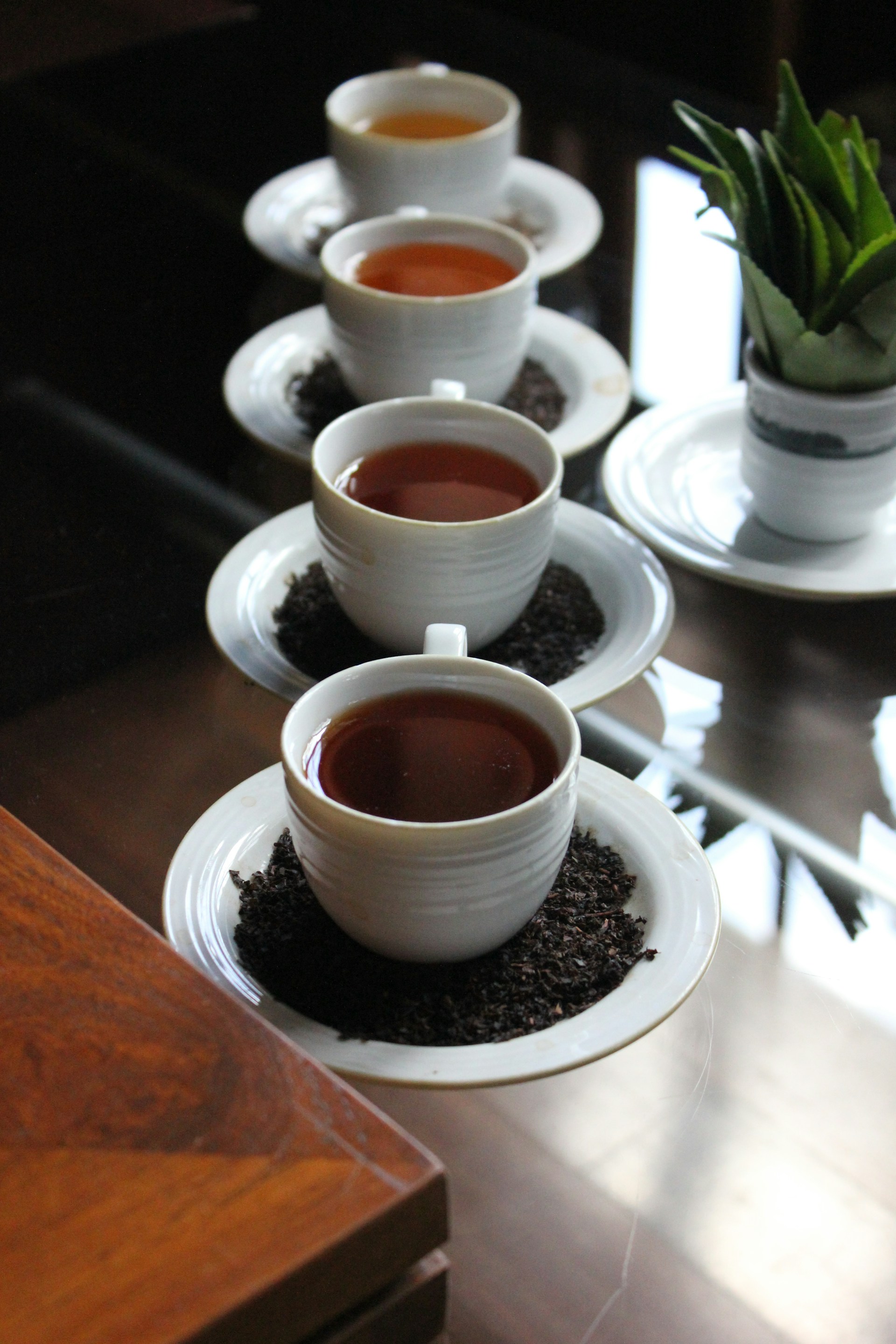
The tasting takes place in a small dedicated tasting room adjacent to the factory — a long counter with a row of identical white porcelain tasting cups, each filled with a measured weight of dry leaf and a measured volume of water from the same boiling kettle, brewed for exactly the same time. The five samples typically include the estate's flagship Orange Pekoe (the long-leaf grade that defines the higher end of the market), a Broken Orange Pekoe (the most common grade in commercial tea bags), a Pekoe (smaller leaf, more concentrated infusion), and two specialist grades that vary by estate — often a high-elevation single-estate first-flush tea, and a Silver Tips white tea (the unopened buds, hand-plucked at dawn and rare even in tea-growing regions). The tasting itself follows the protocol used by professional buyers: the dry leaf is examined in the cup, the brewed liquor is poured into a separate tasting bowl, the spent leaf is examined for colour and uniformity, the liquor is sipped (loudly, with air, in the manner that maximises retronasal aroma) and either swallowed or spat. The taster will walk visitors through the vocabulary — astringent, brisk, malty, biscuity, the difference between pungency and bitterness, the way altitude shows in the cup as brightness rather than thickness — and most visitors leave with a substantially better tea palate than they had thirty minutes earlier.

👅

Sip loudly with air — it sounds rude but reveals the flavour

🚫

Avoid coffee or strongly-flavoured food beforehand

🧂

No milk or sugar during tasting — assess each tea pure

📝

Take notes — comparing five teas blind is harder than it looks

The Professional Tea Tasting
Tasting
5 grades blind

The Bungalow · 1.5 hrsHeritageColonial-era hospitality

Lunch at the Planter's Bungalow

A colonial-era estate house, period furniture, and a Sri Lankan rice & curry lunch

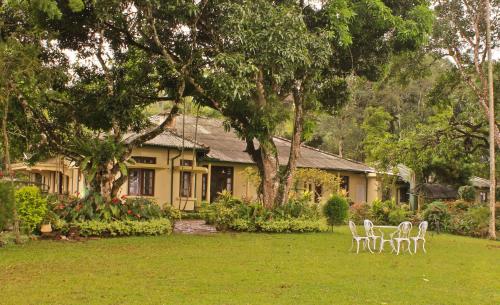
The planter's bungalow is the cultural and physical climax of the tea safari — a colonial-era estate house, typically dating from the 1880s to the 1920s, set on a knoll above the tea fields with a wide verandah looking out across the planter's view of the entire estate. The bungalows are still in use as guest accommodations for the estate management and visiting industry buyers, and the hospitality follows the patterns established a century ago: tea served on the verandah from a silver service, sandwiches and home-made cake on the side table, the afternoon paper folded on the wicker chair, the bungalow staff (often the third or fourth generation of their family in the same role) moving quietly between the kitchen and the verandah. For visitors taking the lunch option, a full Sri Lankan rice and curry meal is served in the dining room — typically eight to twelve curries, with a focus on the highland vegetables that grow well at elevation, accompanied by the bungalow's own freshly-baked bread and finished with curd and treacle for dessert. The bungalows themselves are worth exploring: most retain their original furniture, the framed photographs of generations of pluckers and managers, the Edwardian bath fittings, the cool tile floors, the deep teak verandah armchairs that have absorbed a hundred years of afternoons. It's a glimpse into a vanishing world, and a remarkably comfortable one in which to spend the closing hour of the safari.

🍛

Lunch option upgrade ~LKR 4,000–6,000 per person

📷

The verandah view is the photo of the day

🕰️

Allow 1.5 hours — bungalow visits should not be rushed

🛏️

Many bungalows take overnight guests — book ahead if interested

Lunch at the Planter's Bungalow
Heritage
Colonial-era hospitality

Hill Country Transfers

We get you to the estate, on time for the morning factory

Tea factories run their main processing in the morning — the leaf picked the previous afternoon is in the rolling and oxidation stages by 9:00 AM and the safari is best timed to catch this. Ahangama Cabs runs transfers to Nuwara Eliya, Haputale, Ella and Kandy from the south coast, Colombo and the airport.

From Colombo

Nuwara Eliya

5 hrs

From Ahangama

Ella

2.5 hrs

From Ahangama

Haputale

3 hrs

From Kandy

Nuwara Eliya

2.5 hrs